
Social media addiction is the public health emergency being ignored by our Government
The business models of social media are like handing out free cocaine with advertising on it.
Today I woke up to another article about a teenager who killed herself after viewing content on social media. Mia Janin is the third pupil from her school to kill herself since 2017, and it’s taken over a year for her phone to be unlocked by police.
Since Instagram was bought by Facebook in 2012 for $1 billion, the suicide rate for females aged between 10-24 has increased by 94%.
So why:
is the Department for Health & Social Care not involved in the Online Safety Bill?
has there been zero digital media literacy for the public, despite the Government publishing a strategy last year?
does the Online Safety Bill include nothing about the addictive features of social media, or obligations on tech giants to create processes for grieving families to access data?
We’re the frogs slowly being boiled alive, too distracted by numbing ourselves on social media to bother jumping out the pan. Social media free to use, but companies are making more than entire countries because our attention is the product.
Just like capitalism, if we felt happy within ourselves, we wouldn’t necessarily try to improve ourselves. Social media works by exploiting our insecurities, and offering us the solution to fix it, just like CocaCola offering us Diet Coke.
The ‘legal but harmful’ content children are exposed to online existed before social media. What’s different is how carefully crafted algorithms tailored to their unique insecurities infect their brains, splintering their identities between the real and virtual world.
The only companies that refer to their customers as ‘users’ are the illegal drug trade and internet technology. Their income comes from advertising, meaning we need to keep using.
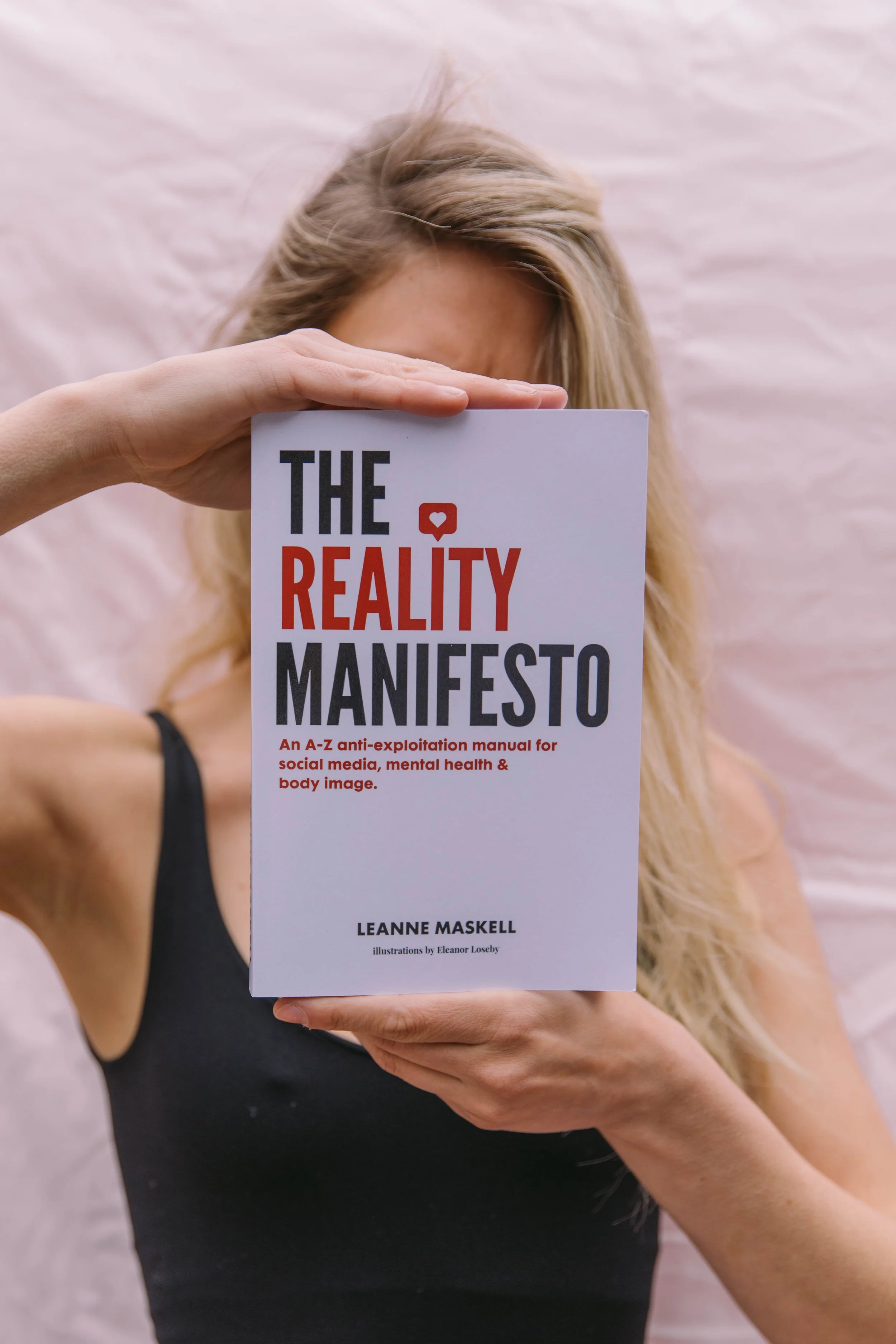
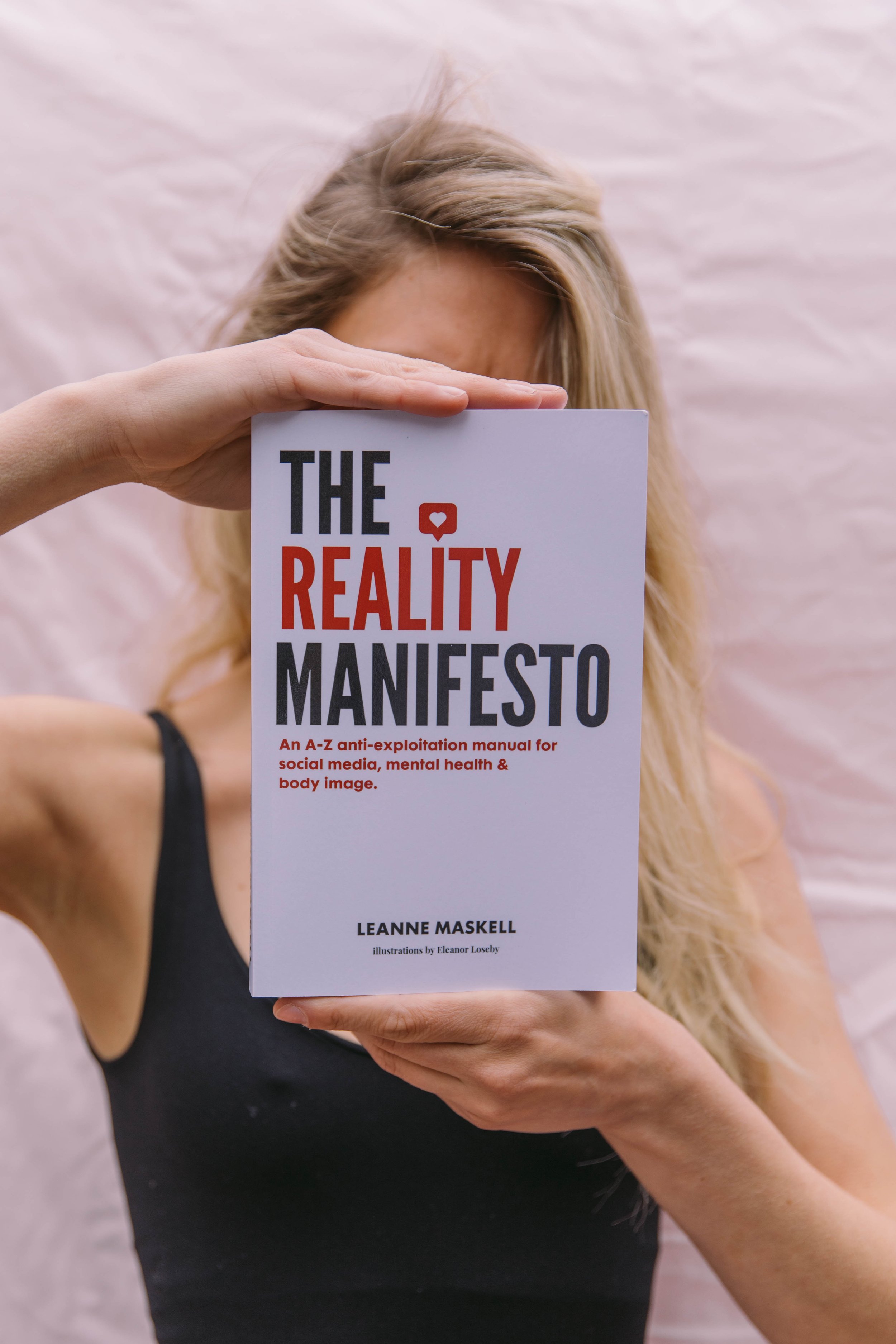
I wrote the Reality Manifesto to try and help, but it shouldn’t be down to me: it should be the Government educating and supporting the public on the dangers of social media, whilst properly regulating it.
The Reality Manifesto was inspired by the child who had her childhood stolen by being treated like a product, including by herself. The girl who lost connection with her body because she started using it as a tool to survive. She believed her worth could be measured and controlled by numbers, growing up trying to achieve the filtered version of herself that was constantly drummed in as being ‘better’ than who she was in reality.
The girl grew into an adolescent who didn’t know how to live a life that wasn’t based on social media. She very nearly died as a result, but survived to tell this story. She grew into a woman who understood that the things that happened to her were not her fault: they were a product of her environment.
That girl is me. I wrote this book because I see the same experiences I had imposed on entire generations of young people, along with impossible standards that simply don’t exist. Many are not as fortunate as I was to have survived. Molly Russell took her own life age 14 after looking at self-harm posts on Instagram, and Frankie Thomas took her own life age 15 after looking at suicide methods online at school.
This book is for every single person that resonates with this. It’s a beacon of hope, calling for change, and a reminder that it’s not your fault.
- Acknowledgements: the Reality Manifesto
The Reality Manifesto: An A-Z anti-exploitation manual for social media, mental health & body image:

Access to Work Guide: ADHD-friendly!
Access to Work (A2W) is a Government scheme that can help pay for things for you to stay in work if you have a disability. This could include things like a job coach, standing desk, reminder software… basically anything that can help you do your job like your colleagues are able to. I was SO shocked to find out this existed, after struggling for so long - which is why I talk about it a lot in the ‘Finances’ & ‘Jobs’ chapters of ADHD: an A to Z.
A2W isn’t perfect - mainly because the application process is so bureaucratic that it is incredibly difficult to figure out how to do properly, there can be delays and mistakes can be made (which I explain how to rectify below). It doesn’t actually help you GET a job - not so much access ‘to’ work as access to ‘stay in’ work. So that’s not great if you’re out of work (and ADHD isn’t usually associated with job stability), but it’s better than nothing. And really, really important to know about!
It should be clarified that this is not official or legal advice and no responsibility is taken for following it - but I hope it’s helpful as a rough guide based off my own experiences! It’s also obviously catered towards my experiences of ADHD, but worth mentioning that this could show up in so many different ways, depending on the person, as the case for all health conditions.
Why apply?
A2W can help pay for things based on your needs . This may include things that your employer doesn’t offer as part of ‘reasonable adjustments’ for your condition (like flexible working hours or locations). Examples relevant to people with ADHD might include:
special equipment (for ADHD-ers this could include a headset, noise cancelling headphones, a standing desk, wall planners, time timers, desk planners, a note taking table, a weighted lap pad, fidget toys, watches with reminders, whiteboards, printers, and laminators!)
special software (for ADHD-ers this could include a personal assistant, Dragon dictation software, audible.com, Alexa / Google home, password software such as ‘Dashlane’, Trello / Asana (for task management), or meditation apps such as Calm).
support worker services such as an assistant or job coach to help you in your workplace (I HIGHLY recommend the ADHD Advocate and membership to ADHD Unlocked - where you can get peer support).
Who can apply?
People aged 16+, who live in England, Wales or Scotland, who:
have a paid job, including work experience & internships.
are self employed, if they achieve the ‘Lower Earnings Limit’ per year, currently £6,136 - or if not, have a business plan with a 3 year financial forecast. The Princes Trust & HMRC can help with this.
have a disability or a health condition (physical or mental) which makes it hard for them to do parts of their job, or get to and from work.
How do you apply?
You can apply by phone, or online here, which includes questions on:
Your conditions or disabilities: e.g. ADHD (it’s probably advisable to have a medical diagnosis or doctor’s support in whatever you say here, rather than being self-diagnosed).
Whether you have problems travelling to work: if you do, you’ll be asked to consider other options. A2W won’t necessarily pay for a limo if you struggle with catching the bus, but they might make an assessment of how bad your problems are and whether they or your employer could help in any way, such as by working from home or helping with other transport options.
Whether your condition makes it harder for you to do your job, and if so, how. Any current coping strategies, and whether you know what you need to get help with this.
It’s good to put as much information as you can down, as if you have a ‘good level of knowledge about what support you need’, then your application can be ‘fast tracked’ (point 183) and dealt with faster.
Some examples of how ADHD could make it harder for a person to do their job include:
Becoming overwhelmed with stress and burning out, experiencing panic attacks & exhaustion.
Having trouble doing small administrative tasks, that then take up your whole day & result in a lot of stress.
Difficulty in relationships with colleagues, due to emotional dysregulation, having strong reactions and experiencing sensory overwhelm.
Making impulsive decisions that you wouldn’t have made if you’d thought them out a bit more, which might have long term consequences!
Becoming distracted by noises, sounds, thoughts.. anything at all! Office environments aren’t always great for ADHD.
Difficulty meeting deadlines, organising work, being able to follow processes…
Having poor attention to detail.
Current coping strategies might include things like working from home or flexible working hours, and ways that you could get more help with it include those listed above.
Details about your job, including how long you’ve been there & their contact details
If you’ve not told your employer that you have a health condition that impairs your ability to do your job, it might feel difficult in considering how to tell them, but they will usually need to know if you’re applying for A2W. They should not treat you negatively for this - which is something I talk about in a lot more detail in ‘J is for Jobs’ of my book, ‘ADHD: an A to Z’.
What happens next: the assessment
An A2W adviser will look at your application, including whether you have had any previous assessments, which could help speed things up. If the caseworker is unsure about or can’t agree with you on the appropriate level of support (121) they can refer you for an independent assessment, which they should give you a call to discuss beforehand.
The assessment might take place in person, at your workplace, or virtually - mine was a phone call (given the pandemic)! The assessor will most likely ask you about the questions that you have already answered, possibly helping to identify any other ways that you could be helped to stay in work. It can feel a bit embarrassing to ask for help, but it’s really important that you are as honest as possible.
The assessor will then report back to A2W with their recommendations, usually 3 different options based on cost. A2W will notify you by email about the decision, and post you a copy of your report and a confirmation letter.
You have to sign and return the declaration letter to ATW, which will then allow them to issue a claims pack to your employer. There are lots of different situations describing who pays for ATW - and they might ask your employer to contribute. For support workers, 100% is paid by ATW, regardless of how big your organisation is.
Important to know:
It might take a few weeks or months for A2W to get in touch. The communication can be also be less than ideal - I was told the wrong date for my assessment call and some of my emails bounced. DO NOT GIVE UP! Let them know if no one turns up to the assessment, call, email - do whatever you need to do!
You have to return the signed declaration letter within 4 weeks of the date of the letter which can be difficult if you, like me, receive the letter almost 3 weeks after it was sent due to postal delays!
So make sure that when you get an email or call to let you know a decision has been made, you keep an eye out for the letter and stay in touch with A2W. I’d also get proof of postage when returning it and confirm this by email, so you can show you’ve done it and don’t need to apply all over again!
What do I do if I don’t agree with the decision?
You can request that A2W reconsider their decision, contacting them within 4 weeks of the date on the letter! So this is really important to know: if you’re not happy, contact them immediately. This can be by post, or the email address provided in the letter, asking for the Access to Work Reconsideration Team.
I don’t know if everyone will have the same experience I did, but my decision was overturned. I advise that you read the Access to Work Guidance to check if all the processes were followed correctly.
I’d advise emailing to explain why you think there has been a mistake made as soon as possible. For example, the decision may not be tailored to your individual needs, as required by the guidance. The ‘justification’ for your decision will be able to demonstrate this - and of course, this will be affected by how specific, reasonable and accurate you were in your application. You could also raise any mistakes made during the process, such as evidence not being accounted for properly.
I really recommend taking every opportunity you have to make your case as much as strongly as possible. It can be a bit of a confusing and complicated process, but you have nothing to lose by asking for the help you think you need.
If you have had poor customer service or you think your A2W claim has not been handled correctly, you can also complain using their complaints procedure.
Phew! Then what?
A2W may contact your employer to tell them that they should purchase the support (or part of it, depending on what is agreed), and then send them the claim form and proof of purchase to be repaid. This will obviously be you if you’re self-employed!
It was quite a long, difficult process, but it was so incredibly worth it. It’s really important to know that the Government offer this scheme, and great that they do, because people with disabilities need to be better supported at work.

How to deal with Rejection Sensitive Dysphoria
A little known but widely felt impact of ADHD is a serious hyper-sensitivity to rejection. When I told a previous colleague about this, they looked at me like I was speaking gobbledegook. I get it – ‘Rejection Sensitive Dysphoria’ (RSD) sounds like your ultimate ‘snowflake’ medical condition, the need for positive feedback at all times out of fear we might not be able to handle any negative feedback.
However, people with ADHD are by no means snowflakes. The average ADHD-er will have suffered a lifetime of being considered inadequate, repeated failures, feeling ‘different’, beating themselves up, and uncontrollable emotional mood swings. RSD is the symptom that has only been linked to ADHD, rather than any other condition, because it’s:
a ‘reaction’ to something (as in, not chemically-induced)
not typically long-lasting (as in, we’ll probably awkwardly feel fine in a few hours)
incredibly extreme – to the point that a person might feel suicidal. This is very dangerous in the moment, and very upsetting to deal with later on, when we feel okay again.
I think of it like having a toddler take over my brain, an emotional panic attack. Your brain becomes ‘flooded’ with emotions so paralysing that you might not be able to think rationally. This can often come from completely imaginary scenarios, such as someone replying late to our message, or being called in for a surprise meeting at work.
RSD can lead to people pleasing and anxiety, in a desperate attempt to try and avoid feeling rejection (which nearly always backfires). It can lead to depression, in an attempt to avoid any potential scenarios where we could be rejected. It can lead to perfectionism and overworking, where we set impossible standards for ourselves to meet, moving the goal posts when we do.
Ultimately, it can result in self-sabotaging – impulsive, emotionally-charged decisions that trap us in a cycle of regret, self-blame, and loneliness. We might quit jobs, end relationships, and cause arguments for seemingly no reason, not understanding our own behaviour. We can gas-light ourselves into seeing rejection that doesn’t exist, resulting from a core lack of trust in others to like us for who we are.
This is especially obvious in romantic relationships. Our partners may be bewildered at our overreactions to small things, such as them being late, or not ‘interested’ enough in us. They might be confused as to why their assurances of how much they like us are never enough, or why they have to keep trying to prove it. They might not understand why we think we are so difficult to love, and eventually, believe what we say – a self-fulfilling prophecy.
Our anticipation of rejection can sadly lead us to self-sabotage relationships with people who care about us, resulting in the feeling that love is ‘conditional’. The cruel irony is when we reject others in the hope of protecting ourselves, such as cutting out a friend in the ill-conceived hope of the other person showing they care.
Having ADHD and RSD is incredibly lonely. It means you’re struggling with all the symptoms of ADHD in a vacuum of loneliness, where you may believe that nobody truly cares about you. The symptoms bounce off each other – not being able to complete things due to insecurity of previous failures and an inability to ask for help, exacerbated by perceived loneliness and rejecting everyone as a result. It’s very dangerous to experience the extreme mood-swings in the moment, which can feel scarily intense, and may be why 4 in 10 women with ADHD have attempted suicide.
Treating RSD
It’s very difficult to treat RSD because it hits so quickly, and the emotions can overwhelm a person so suddenly that they can find themselves experiencing it at the same time as everybody else. However, it is NOT impossible – this is the main thing I coach people on now!
1) Understand your ADHD
I wrote ‘ADHD: an A to Z’ to help people overcome challenges related to their ADHD without requiring medication, or a diagnosis (as these can take 7 years on the NHS!). By treating some of the symptoms we experience, we can start building up trust in ourselves to feel as though we’re capable of having a stable life, so we don’t perceive potential rejection as a life-ruining concept in and of itself. There’s also certain types of medication which can help with RSD, which I’d recommend talking to your doctor about.
2) Recognise your RSD
I only started overcoming my RSD when I learned it was a proven medical condition. This cut off the part of my cycle where I started catastrophizing about how terrible I was and convincing myself I needed to be sectioned for these extreme mood swings. Once we recognise RSD, we can label the experience of it, removing ourselves from it. It’s something that happens to you, it’s not who you are.
Try to identify situations where this is likely to happen (e.g when dating), and have a list of things that make you feel calm, happy and secure (e.g reading a book), that can distract you from your feelings. When you’re feeling overwhelmed, try to do one of these activities as soon as possible. Remind yourself that this will pass, and you can simply ride the wave out. Try to leave any triggering situations as soon as possible to calm down, and be as kind to yourself as you can.
3) Build up your self-compassion
Ultimately, the key to dealing with rejection is to build up your self-esteem so that it’s not reliant on the acceptance of other people, just yourself. This comes from having self-esteem, and compassion for ourselves – I’ve seriously had months where I’d have to write myself love letters or lists of things that proved I was a capable human being every morning.
4) Talk to people you trust about it
It can help to discuss this with other people, even if you don’t have an ADHD diagnosis. Knowing that it exists and other people experience the same thing proves you are not alone. Although I wouldn’t recommend insisting on only positive comments from now on, you can explain to people how you would best react to certain types of feedback and criticism. You don’t even need to call it RSD - you can just explain how you operate best in response to feedback (such our texting style!).
For example, I know that I deal very well with negative feedback when I can understand it, and when I have time to process it – so having it written down is always very helpful! It’s also good to explain to people in your life how brilliantly you respond to positive feedback!
5) Reframe your thoughts
This is by far the most helpful thing I’ve done to treat my RSD. I’ve literally trained myself to do this now so that it’s automatic whenever I begin to feel the overwhelm of rejection:
What is the thought that’s bothering you?
Can you prove this to be 100% true? What proof do you have?
What is believing this thought doing to you? How is it making you behave and think?
What is the opposite of this thought? Can you find proof for this being true instead?
By training ourselves to trust other people to like us for us, and for this to be our automatic thought rather than searching for the reasons people wouldn’t like us, we can overcome RSD. This involves being aware of our tendencies to perceive rejection, and actively combatting any worries, reminding ourselves that we are liked and accepted for who we are. Typically, people feel the same way about you as you do about them!
Our brains are constantly making up stories but realising that we have the power to pick what thoughts we believe is genuinely life changing. We just have to choose to do so.
Having RSD does not mean there is anything wrong with you. It means that you feel things on a deeper level than most people, and as a result, tend to be more compassionate. Understanding the stress and emotions that your body can experience in one go means that you tend to be good at understanding the stress of other people, as it arises in small manageable chunks! Remember to be kind to yourself, no matter what. You are deserving of love and the people around you will love you unconditionally, even if it doesn’t always feel that way
ADHD Coaching - A Testimonial
Many people come to ADHD coaching looking for help with the basics, such as cleaning, cooking, and exercise. It can be an incredibly vulnerable thing to reach out for help with the things society tells us ‘should’ be easy, but this beautiful client testimonial shows how life-changing it can be.
I imagine most people with ADHD finally seek a coach when things finally become unmanageable and you are at a low ebb. That's where I was anyway when I decided to embark on a coaching journey with Leanne.
I have lots of letters after my name. Three university qualifications in English Literature, all from well respected universities; all completed in sporadic, terrifying, almost heart stopping last minute 6 week blocks of 24/7 hyper-focus, caffeine, pot noodles, and a laundry littered floor. I subsequently taught for many years in a high achieving, high pressure grammar school; where my pupils achieved the entrance grades they needed for very prestigious universities. However, my career amounts to a miserable blur of last minute lesson preparations and too many unmarked home works. Each year, I would end up arranging annual guilt driven fabulous Easter holiday revision classes, where I repaid the debt I knew I owed my students at the price of my own health.
Looking back at university and my career, somehow I got letters after my name which earned me a decent living, and so do many of those I taught. When I gave up teaching, I gave a speech, got a present, a bouquet of flowers and a smiling relaxed photograph on the school website, which was definitely a keeper. I left with immense relief for what I was certain would be a lovely life of calm and order that would finally enable me to do the things I could never do all my adult life because nothing else was ever done.
However, after everything else, I just couldn't manage to pull off what seemed to be the basics. ADHD are my real letters and for all the superpowers they may possess - they also make life so very difficult. By the time I met Leanne my entire domestic existence had descended in disorganised chaos, which was having an increasingly unfair impact on my family. I didn't do enough for my family and did nothing meaningful for me, because nothing else was ever done. But through a journey of support sessions with Leanne, text messages, emails, worksheets, reminders, prodding, before and after photographs, trips to charity shops and a few good laughs, I made it. Room by room, I finally achieved what actually turned out to be hardest, most ADHD tortuously boring, but ultimately most significant achievement of my life. I had a tidy, organised house. I had a home.
Will it stay that way? Well, lets be realistic - I have ADHD. But through Leanne, I am no longer paralysed by the time that vanished and left behind endless mounting undone chores. She helped to get me the entrance grades I needed to set me on my way back to what should have been essence of those university degrees and of my career. There is enough done now for me to finally be able to return to the too many unread letters that are stored behind the letters after my name. I'll read books, I might even write a story.
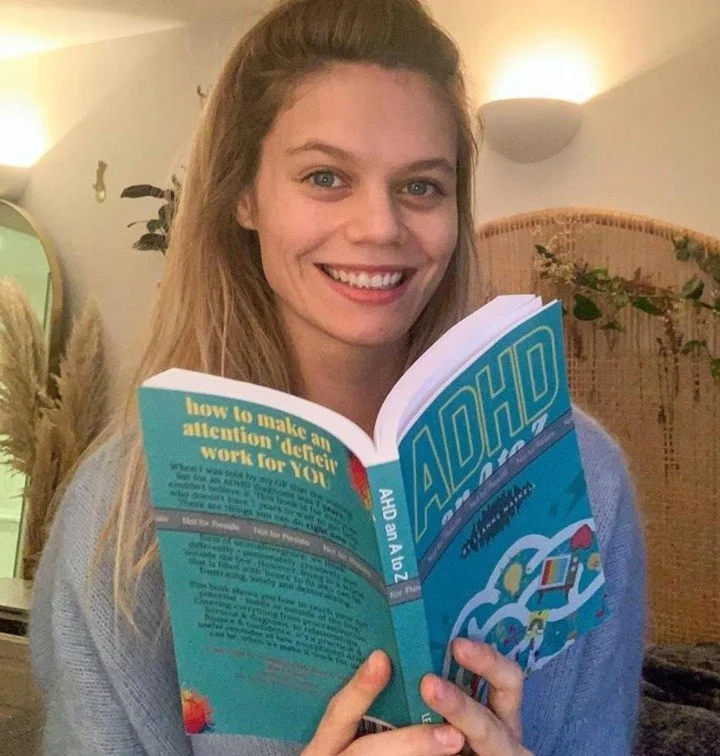
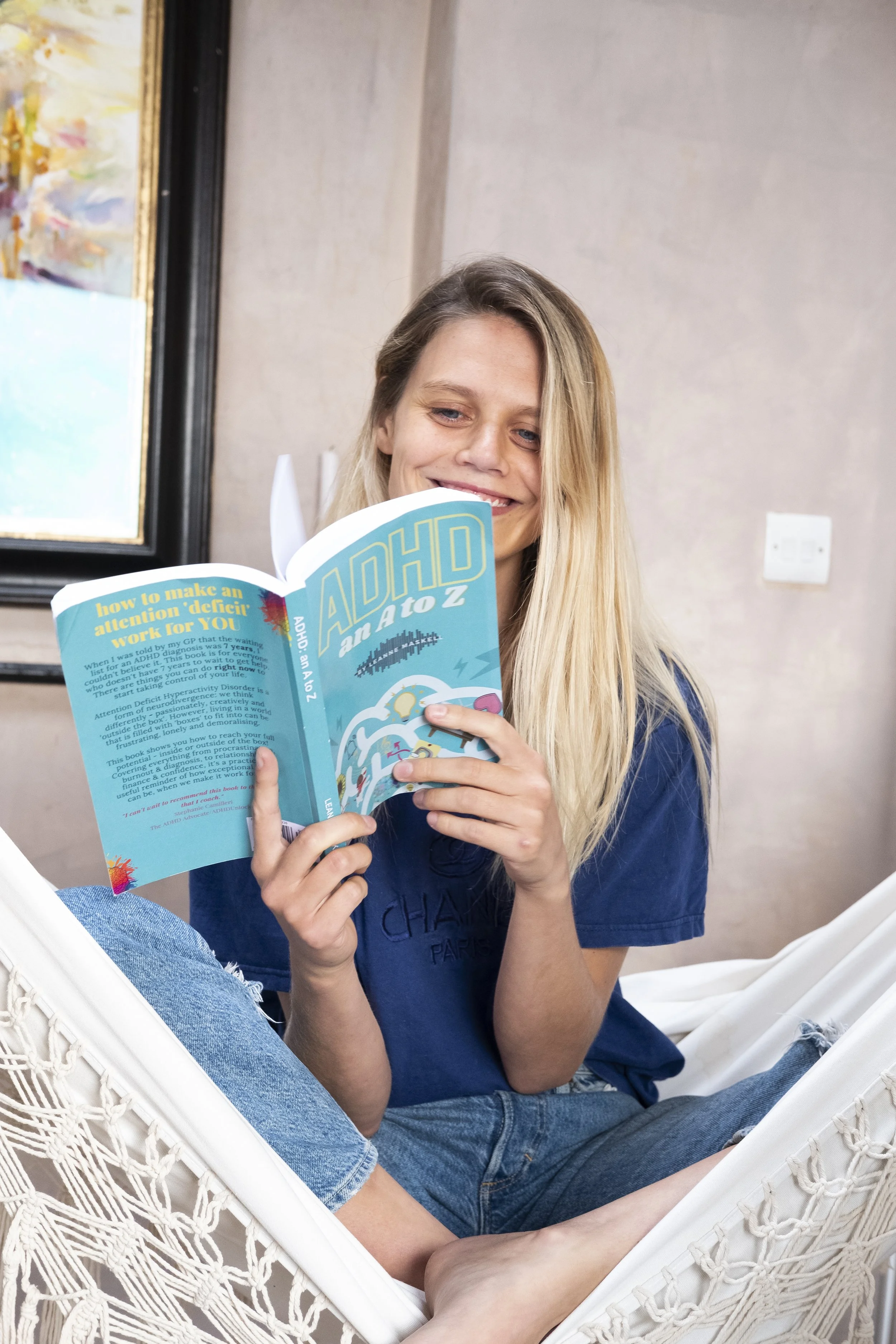
This is what ADHD Coaching with the ADHD Advocate did for me personally - it helped me to write my own story as ‘ADHD: an A to Z’. It’s incredibly rewarding to now be doing the same for other people with the same organisation!
ADHD Coaching is empowering someone to learn how to survive, not doing it for them. It’s designed to break through the barriers that are keeping you stuck, to live your life how you want to be living it, working with your brain rather than against it.
Click here to have a zero-obligation, free chat with me about coaching.
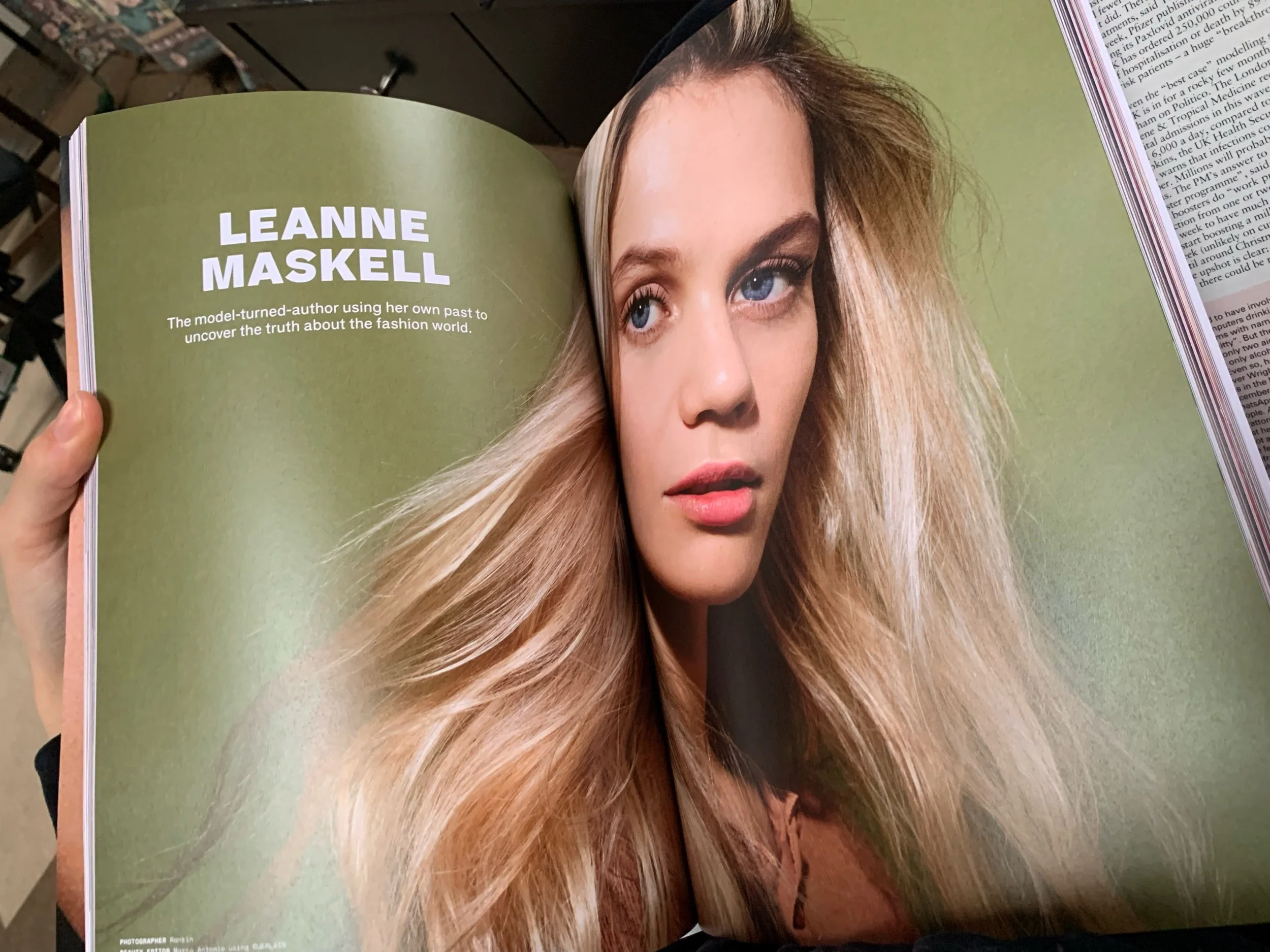
Why I quit Instagram and started modelling again
So far in 2022, I’ve had Instagram deactivated & joined Body London model agency. Since then, I’ve:
had my busiest and happiest ever month modelling, working for brands like Next, Redken, & Ridley London
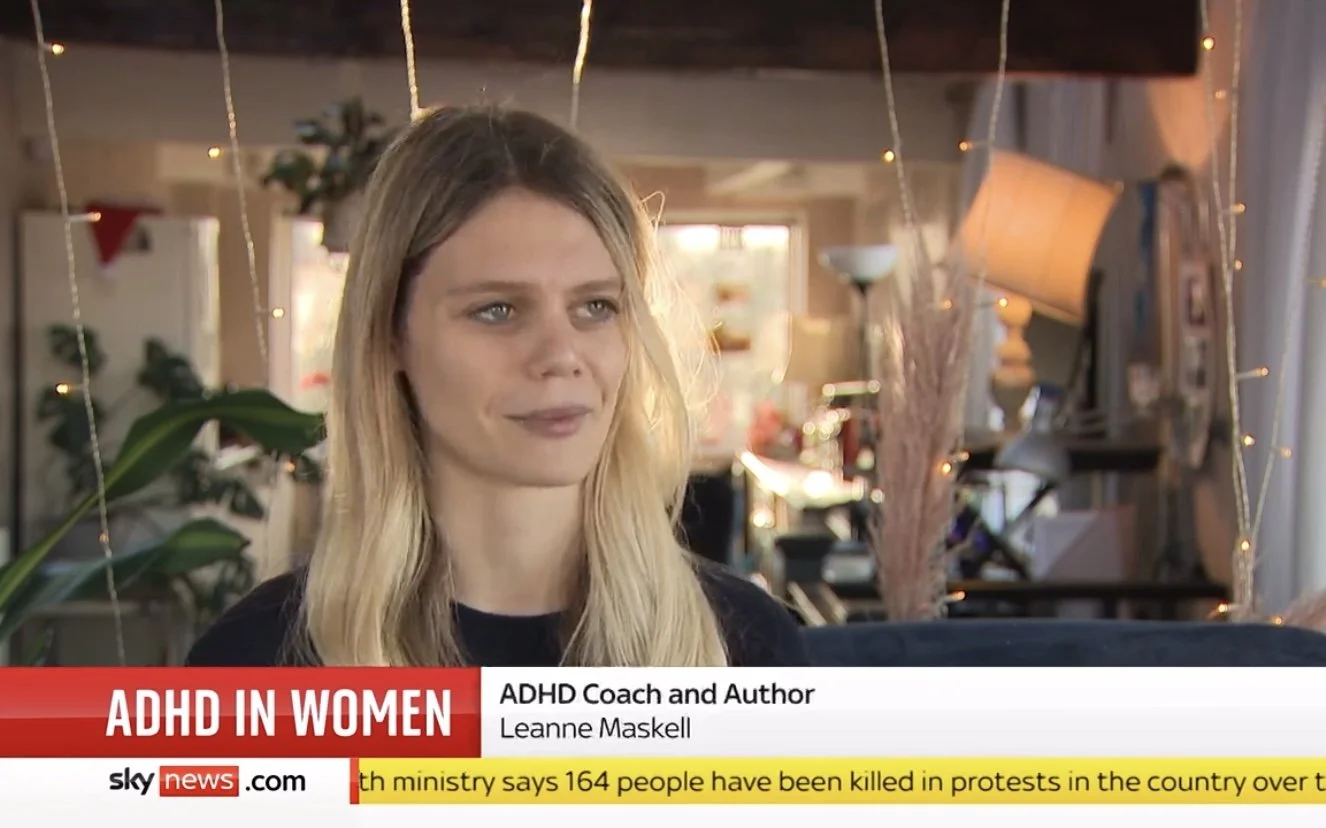
been featured by Sky News, Stylist Magazine & interviewed by BBC Radio
reached full capacity in ADHD coaching clients
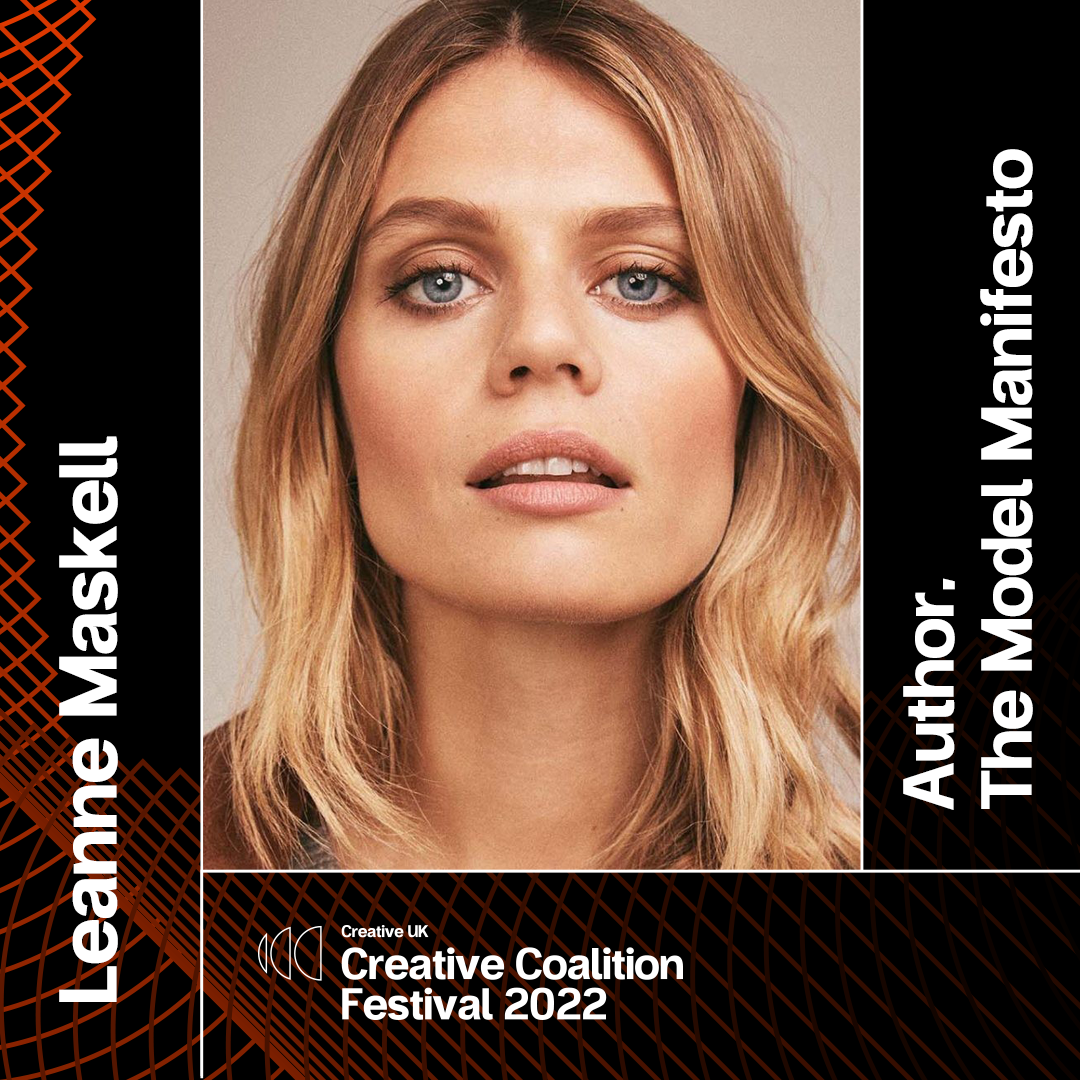
worked with the Government on finalising change across the creative industries, to end exploitation, which I’ll be speaking about as a panellist on February 2nd in the Creative Coalition Festival.
Why I quit Instagram
I’m currently finishing writing my third book, which is essentially an empowerment guide for social media. After proposing this book to a few publishers, they told me I’d have to have over 10,000 followers on Instagram to be taken on - proving the exact point that I’m writing about! I could have easily bought these followers, but I don’t want to.
Even though I’ve already published 2 successful books with nowhere near this many followers, I’m sick of still feeling like I ‘need’ to have an Instagram account to do various things. I’m sick of transactional friendships requiring me to comment on posts to stay popular. I’m sick of comparing myself to other people’s highlight reels, even though I know from modelling since age 13 how fake what I’m seeing is. I’m sick of waking up and reaching for my phone to check my notifications.
I first deleted my entire account 5 years ago, after chasing the most instagrammable life I could around the world and becoming more and more depressed. I know there’s nothing at the end of the influencer-rainbow, because I’ve been there to check it out for myself - the majority have empty, fake lives, that they’ve lost the ability to enjoy.
Since then, I’ve gone back and forth on quitting & restarting new Instagram accounts, which is an extremely liberating skill to have, in not having to swear myself off it forever, but when I want to.
Right now is one of those times, until I finish writing this book!

Why I started modelling again
Last year, I quit my job in law and re-entered the world of self-employment. Though it’s now difficult to answer the question ‘what do you do’ (ADHD Coaching, training companies like Microsoft on neurodiversity, writing books, modelling, campaigning, and so on), I’ve never been happier.
When I published the Model Manifesto, I couldn’t find an agency that would work for me, rather than the other way around. I wanted basic rights, like the ability to work without being pressured to lose weight, or having debt racked up in my name without me knowing about it. When I was offered jobs that met what I needed, like ones for Tommy Hilfiger & Jigsaw, I did them happily. I never really quit being a model, just how I was being treated, but joining Body London has shown me that it’s possible to work in line with the Model Manifesto on a consistent and sustainable level.
Since then, I’ve consulted with everyone from Conde Naste to DCMS & No.10 on these issues, worked with model agencies on safeguarding, and submitted evidence to a Parliamentary inquiry on body image. Last year, I joined the Government’s new working group to tackle bullying, harassment & discrimination across the entire of the creative industries, and change is now happening that I never thought I’d see.
On February 2nd, I’m speaking about this in the Creative Coalition Festival 2022, on a panel at 4pm discussing Eradicating Bullying & Harassment with Rebecca Ferguson and Zelda Perkins, who have also experienced the abuse that can happen in an industry where there’s no legal safeguarding for ‘talent’.
To join it for free, click the picture below.
Women, Girls & ADHD: talking to Sky News
Did you know that 1 in 4 women with ADHD have attempted suicide, or that it’s 5x more likely to be diagnosed in boys than girls? Many people automatically think of hyperactive boys when they hear about Attention Deficit Hyperactivity Disorder - myself included, when I was diagnosed at age 25. 4 years on, now working an ADHD Coach & author, I talk to women and girls every day who share my story, after years of needlessly struggling in the dark by themselves.
ADHD is a neurodevelopmental condition related to symptoms of inattention (poor concentration & memory), impulsivity (in emotion, thought & action), and hyperactivity - both physical and mental. I can easily go a month without exercising, but my brain can’t go a minute without exploding with thoughts.
As a child, I was literally always falling asleep in class. It was only from writing, ‘ADHD: an A to Z’, that I learned this can be a symptom of ADHD - where your nervous system disengages from boredom. This might just sound awkward in a classroom setting, but how about whilst driving a car? I’ve crashed every single car I’ve driven, fortunately deciding to stop by myself after writing off the third, before I ended up killing myself or somebody else.
This was before I was diagnosed with ADHD. Before then, I had also experienced severe depression, eating disorders, self-harm, anxiety, lived on chocolate, binge drunk alcohol to solve my problems, and couldn’t sit down long enough to apply for a job. I knew the way I was living was not normal, but it felt like someone else had a remote control to my brain - I couldn’t trust myself with being a functional adult.
From the outside, I had a law degree, straight A’s in my A Levels (without cheating, as my economics teacher had asked the entire class in surprise), and was living a picture-perfect life on Instagram. When I finally tried to get help myself, doctors told me I was fine, because I had a law degree. They said maybe I just had ‘emotional problems’ and should go to therapy. I’d leave therapy sessions after speaking non-stop for 55 minutes, cementing myself into another week of ruminating on the past.
By the time I’d decided to pay £400 to see a private psychiatrist, blaming myself for not being pushy enough, I’d Google-diagnosed myself with about 6 different mental illnesses. ADHD was not one of them. I didn’t even have a GP at the time, let alone a stable job, place to live, or support network of friends and family. I had given up on living and this was my last hope - but it shouldn’t have had to reach that point for me to get help.
Since being diagnosed and learning about ADHD, my life has changed beyond recognition - I have all of these things and more, in being able to understand and accept my neurodiverse brain. I was able to start living my life like everybody else I knew.
I think part of the reason it was missed in me and other women or girls for so long is due to:
a) ‘untraditional symptoms’ - like overthinking, wildly strong mood swings reacting to the situation (Rejection Sensitive Dysphoria), an addiction to screens, hyper-focusing, suicidal ideation, indecisiveness, daydreaming, and so on. Medical professionals are more likely to associate these symptoms with other conditions, especially if a girl isn’t physically hyperactive.
b) ADHD being masked by co-existing conditions or poor lifestyle conditions - there’s a strong crossover with Autism, depression, anxiety, eating disorders, obesity, alcoholism, drug addiction, self-harm, and pre-menstrual syndrome (as it’s strongly affected by estrogen). ADHD brains seek dopamine, which can make them more susceptible to addictions and poor choices - an estimated 30% of prisoners have ADHD.
c) communication styles - whereas men tend to be more direct, women tend to be more prone to people pleasing and saying what they think people want to hear - especially ones with ADHD. If a doctor said I was fine, I’d end up agreeing with them, until I left their office. It can be very difficult to insist that you need help and to get that help - especially if you feel awkward asking for help in the first place, as many people with ADHD do.
d) situational-aspects of ADHD - due to symptoms showing up differently across a persons’ life, they may think they’re fine because they can get good grades, or because they’re super clean, for example. However, it often shows up in areas where we’d least expect it. For example, I could do a month’s worth of work in a day when I worked in law, but filling in an excel spreadsheet that should take a couple of minutes would take me an entire week, sending me into a spiral of anxiety.
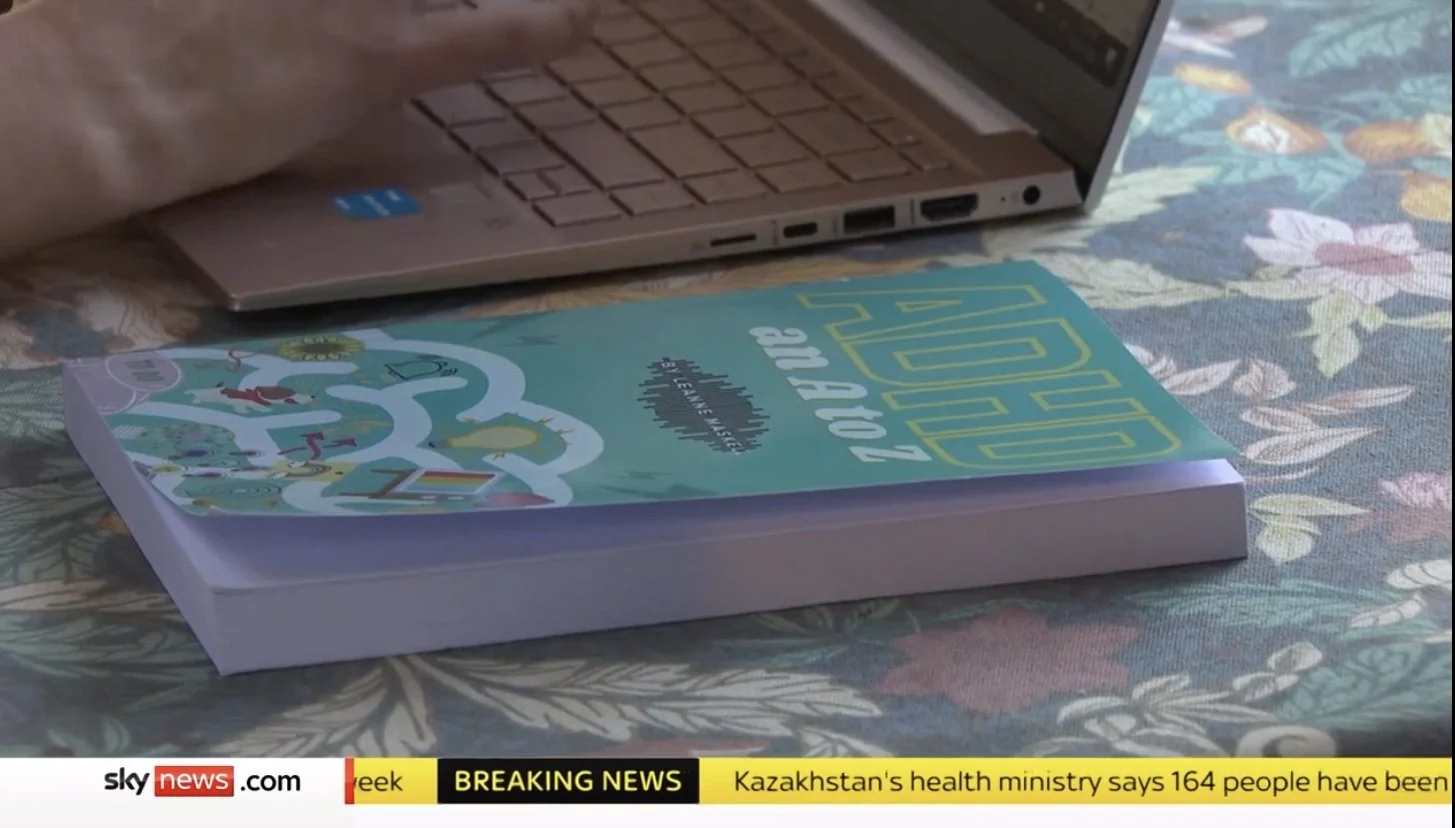
I wrote ADHD: an A to Z after my GP told me about the 7 year waiting list for ADHD assessments on the NHS. I couldn’t believe that this was possible, just thinking that I’d be dead if I hadn’t been diagnosed - so what are other people meant to do that can’t afford to pay thousands of pounds? Even after then, what happens if their GP refuses their diagnosis?
Learning about ADHD and how your brain operates is all it takes. Frustrated by how useless much of the information online was, I wrote a book compiling the strategies I’d developed to handle things like concentrating, studying, and organisation, and the ones I’d learned from having ADHD coaching & learning everything I could about it.
I published it a year ago today, and to see it featured on Sky News is pretty surreal. You don’t necessarily need medication or a diagnosis to get help, but just information, understanding and self-compassion. If I’d read this book as a child, I would have been able to avoid a lot of the unhappiness and confusion I experienced in trying to navigate this world by myself. Don’t stop until you get the answers that feel right to you - you deserve them.
To book a free coaching introductory call, click here.

Why You Should Stop Trying To Fix Yourself
When I was diagnosed with ADHD at the age of 25, my life changed overnight. Not because I was suddenly more organised or could concentrate better, but because I stopped beating myself up. I accepted myself, my brain, and the fact that I wasn’t ‘normal’.
Until then, it’d felt like I was a fish swimming against the tide. I tried so hard to fit in, to find a suitable ‘career path’, and to commit to things that weren’t right for me that I was in a cycle of pointless self-sabotage, shame and failure. After every house move, job change, and relationship breakdown, I’d pick myself back up with new resolutions, commitments, and promises, which would be broken repeatedly.
When we start from a place of not being good enough, we’re setting ourselves up for failure. Just like telling off a child for not concentrating in class doesn’t make them focus any better, shaming ourselves won’t make us any happier in the long run.
What will work is accepting yourself as you are. By genuinely reflecting on how your life is today, you can work with yourself to figure out what will make you feel happier - which is generally the root of all attempts to fix ourselves, like New Years Resolutions. When we become really clear on our motivation for the changes we want to make, we can figure out how to make it a lifestyle change, rather than a metaphorical whip.
This involves making it something that you actually want to do. Taking who you already are, what you’re interested in, what your days are like right now, and applying the change you want to have accordingly, will get you there. This involves taking it day by day - applying mini-experiments, instead of expecting an overnight life makeover. There’s a reason you are where you are, and just because it’s a new year, doesn’t mean it’s a new you.
For example, during the winter months, I really struggle to exercise - or even go outside, some days. I’ve tried doing online classes, but I just end up switching the camera off and somehow end up rearranging the entire room I’m in, instead of doing the class. So I’ve signed up to the most ridiculously amazing gym, that I genuinely want to go to every day, because it’s got hot yoga, and a steam room with a gigantic crystal in it. It’s finding the exercise that doesn’t feel like exercise, which works with what I’m missing: being warm.
Instead of beating myself up when I miss a day, I just accept it and agree with myself to go the next day. I find a class I want to go to. If, as is inevitably the case with all ADHD-interests, it becomes ‘normal’ and the missed days turn into missed weeks, I’ll just find another version of fun exercise. I won’t beat myself up for getting bored, but I’ll just search for the next fun thing to try out. So far it’s taken me on a path of trapeze classes, aerial hoop, jiu jitsu, dancing in the dark, silent discos in the morning, and a yoga teacher training course - it’s definitely never boring!
Over the last few months, I’ve been writing a book about social media and body image, which has made it difficult to figure out how to still exist in these virtual worlds I’m writing about, especially as I’m modelling again. Figuring out how to ‘brand’ myself online sucks up a ridiculous amount of my time and leaves me comparing myself to others (which is why I’ve written a book about it!) - so I wanted to stop doing it. I did this by deleting my entire Instagram account, which has made me feel about a million times better.
Ironically, when I had Instagram, I obsessed over how I could change myself to fit in most appropriately, thinking I ‘needed it for work’. The second I got rid of it, work has flooded in and hasn’t stopped - it’s been one of the busiest weeks I’ve ever had with both modelling and coaching.
This is in massive contrast to when I tried to hire people to manage it - once I changed things to suit me, I learned that I didn’t need it in the first place. I might get it back, or I might not, but it doesn’t matter either way. Taking away the ‘whip’ has literally removed the entire addictive nature of it, because I’m not trying to ‘not go on it’ - I don’t want to.
So please, chuck out your New Years Resolutions. Make friends with yourself and figure out what’s making you feel good and not-so-good in your life, and adapt it accordingly. This isn’t fixing you, it’s simply arranging your life. You remain a valid and worthy human being whether you go to the gym or not - you can always go tomorrow.
If you want a personal cheerleader in the form of a coach, book a free intro call with me here.
2021: leap & the net shall appear
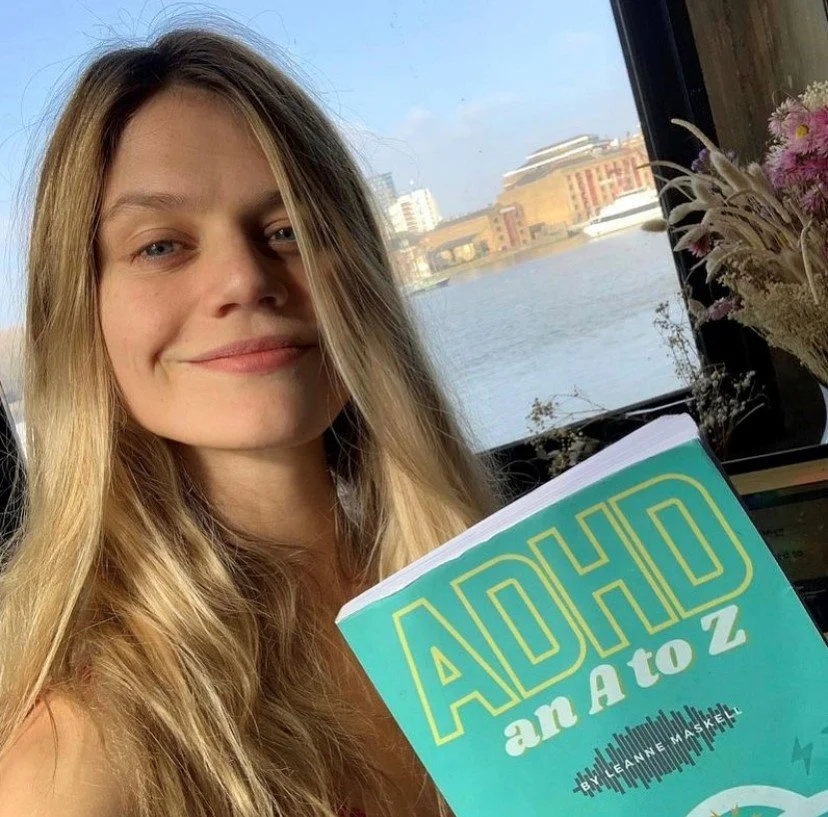
If someone had told me that by the end of 2021, I would have sold over 500 copies of a new book, ‘ADHD: an A to Z’ which was then bought by a major publisher, have trained companies like Microsoft, Lewis Silkin & Adidas on mental health, and quit my job to thrive as an ADHD Coach, I probably would have burst out laughing.

Since being diagnosed with ADHD a few years before, it was something I was vaguely embarrassed about. However, experiencing how much my life had changed as a result of being diagnosed & learning about the 7 year waiting list for NHS assessments made me write up something to help others access help and avoid the struggles I’d had, so I wrote up another book. It sat on my laptop for months, until I had coaching and realised that intense fear prevented me from doing anything about it.
Fear of getting it wrong, making an idiot of out of myself, of not knowing everything there is to know about ADHD, of stamping a permanent label onto my forehead, of opening up about my own messy experiences to others for judgement, and of failing.
Coaching helped me remember the point of this book: to help people who needed it. It was about them, not me. So, I made a cover on Canva in about 15 minutes, figured out how to upload it to Amazon, and had a book in my hands days later. After posting about it online, I realised I’d misspelt the title: ‘AHD: an A to Z’.
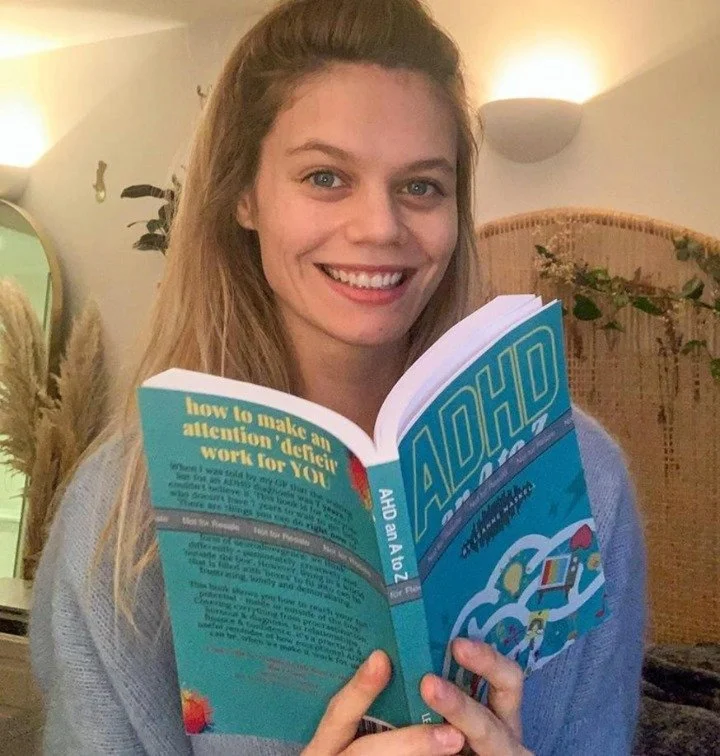
This sent me spiralling into intense shame, and after unsuccessfully trying to unpublish it, but managing to change the title, I pretended the book didn’t exist – the fear was still there. A few weeks on, a woman messaged me to say how much the book had helped her & invited me to speak about ADHD at her company, Microsoft.
By this point, coaching had helped me figure out my other blocks about earning money for doing something I feel passionate about. I must have given away almost every single copy of ‘the Model Manifesto’ I owned. I put this one through a previous agent and am still in shock at how much Microsoft paid me to provide training to them, along with ordering 50 books.
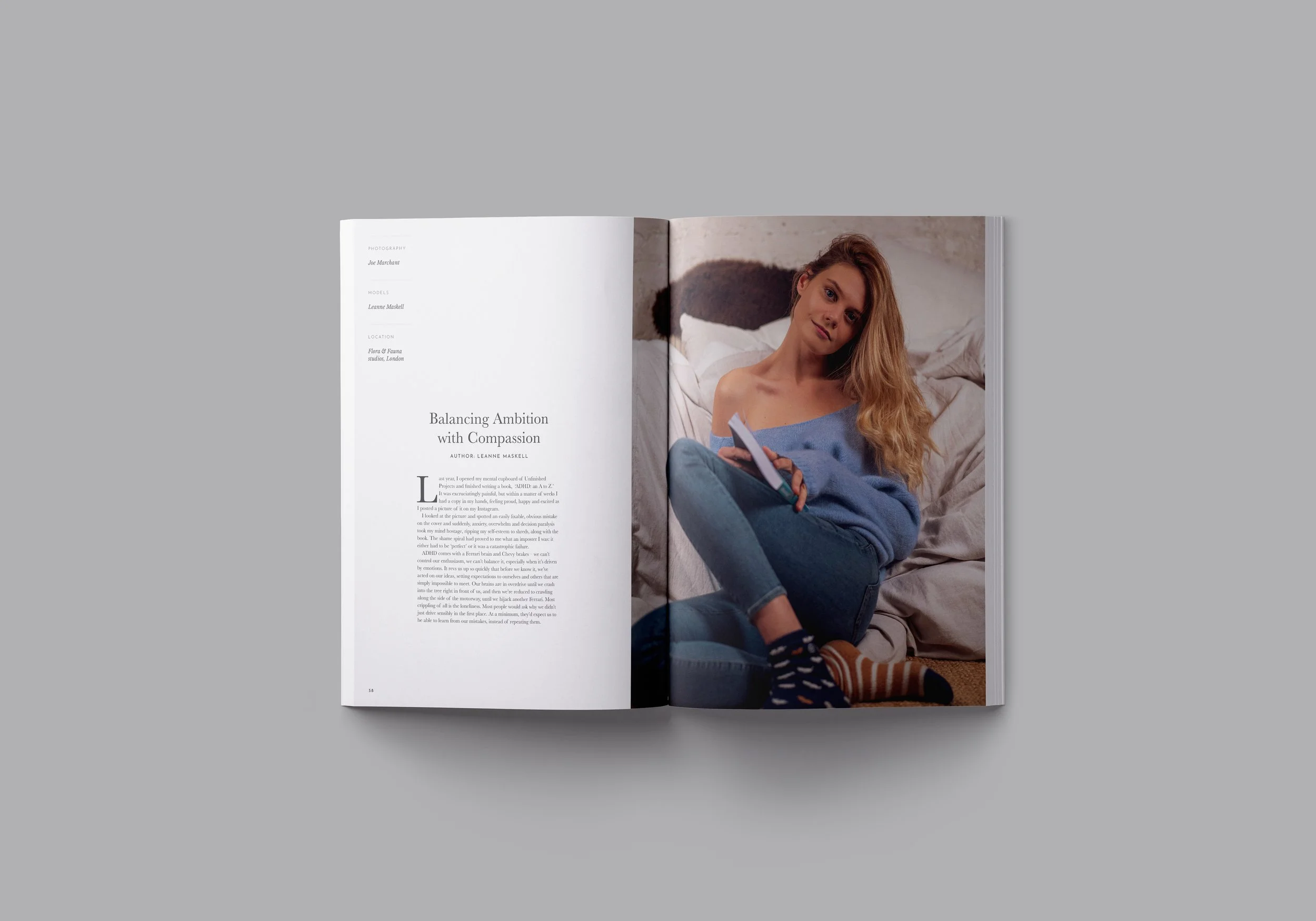
Mind Café magazine asked me to write a paid piece for them about the book, which was another shock to the system, after hardly promoting it at all. Then Adidas paid me to speak to them about mental health, ADHD and body image. Back then, I’d have happily done this all for free, but this was preventing me from being able to fully commit to it, because I still had to survive.
I’d also started getting messages from people all over the world about this book. They were heartfelt, deeply emotional and said how the book had transformed their life by making them feel less alone. Strangers wrote to me about how they’d sat in bed reading the book for an entire day straight, crying. Others bought copies for their partners, to help them understand them better. Others said it helped them get a diagnosis. I was in awe at how the words I’d typed almost straight out of my brain to the page without even thinking about them, had made people feel this way.
This opened up new parts of my life. I realised the power that ADHD coaching could have and signed up for a course to become one myself. A few months later, I left my full-time job in law and became an ADHD coach. Being self-employed for most of my career has given me a core base of resilience: you can always get by (such as shooting for Tommy Hilfiger this year). Life is extremely short, and none of us know if we’re going to be here tomorrow – so we might as well chase our dreams today.
My coach, Stephanie, said to me, ‘leap and the net shall appear’ – and it did. Days after leaving my job, a leading publisher, Hachette, messaged me out of the blue. I’ve now signed a global book deal with them for the ‘ADHD: an A to Z’ book to be republished – something I was told repeatedly would only happen once I’d had 10,000 Instagram followers.
By the end of the year, I was training law firms like Lewis Silkin on invisible disabilities and coaching over 10 people. One of these people sent me a video to show the impact our sessions had had on her life, and I couldn’t believe it. It was tangible proof that by ‘feeling the fear and doing it anyway’, I’d achieved what I’d set out to do: help people who needed it.
Along the way, I’d far surpassed the Model Manifesto – this book not only outsold it, but outgrew it – launching me into truly living wholly in what I was writing, instead of retreating from it. I stamped the label on my forehead with pride and owned it, instead of hiding within the safety of a ‘stable’ job. Every day I still have to remind myself to face the fear and do it anyway, but it makes life a whole lot more meaningful.
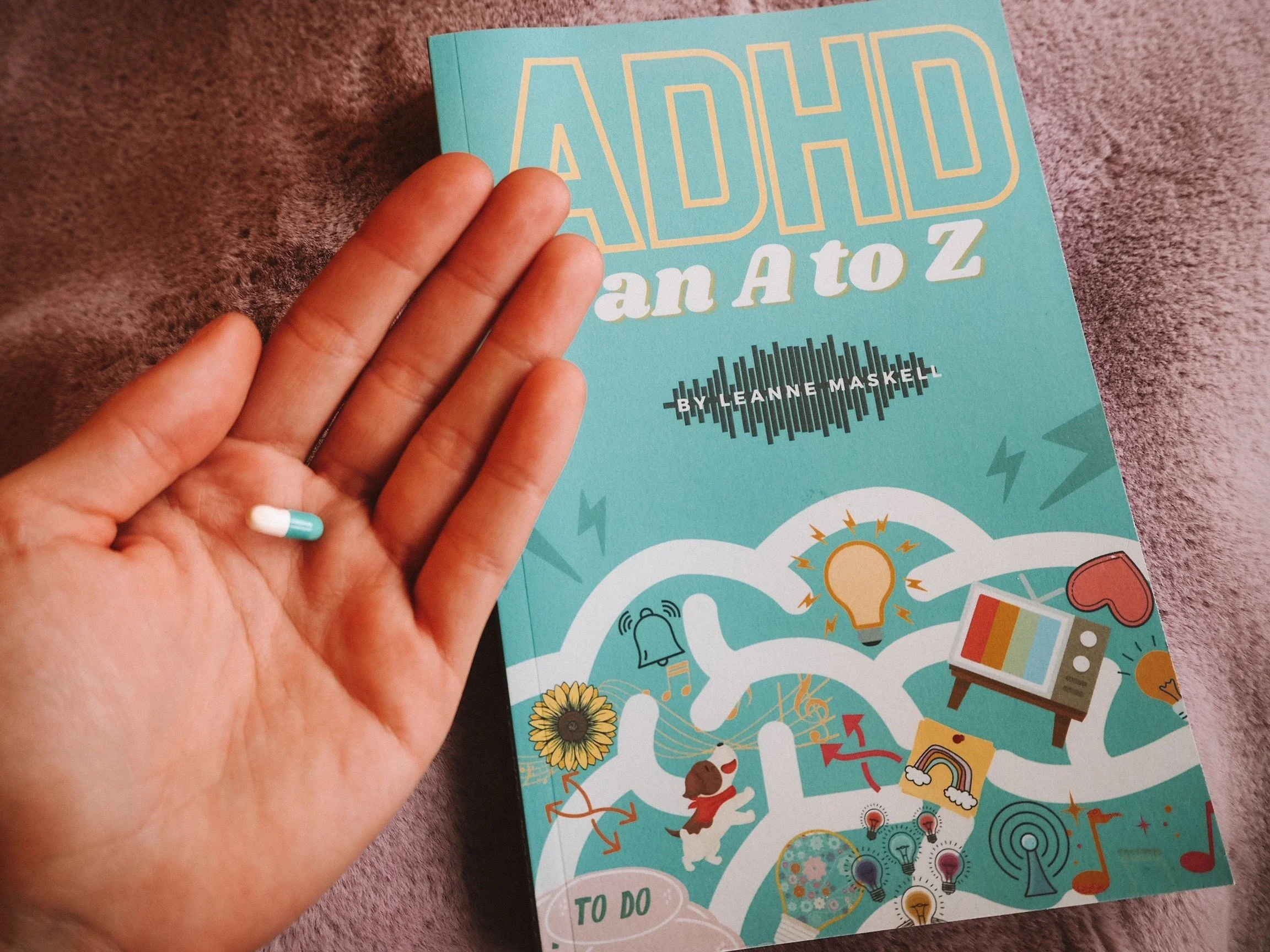
ADHD Pills Don't Give Skills
‘How did Leanne get 4 A’s in her AS Levels? Did she cheat?’ my economics teacher asked the entire class.
I was as surprised as she was. I couldn’t listen to a single word that was said in lessons, and got so bored that I often fell asleep, as my nervous system disengaged completely. I had no idea what was going on 99% of the time.
However, I’d got top marks, because I could cram the years’ worth of information into my brain under pressure and write really fast in an exam, before promptly forgetting it all. I went on to study law at a top university, where despite trying as hard as I could to listen to my lectures, they might as well have been in Chinese. I would beat myself up again and again for not being able to concentrate, or being able to focus on a page of my 400-pages weekly reading.
After a LOT of stress at the end of the year, I passed my exams with a 2:1. It was only when I graduated that my life visibly fell apart to others, because I couldn’t cope with the ‘real world’. Getting perfect exam marks doesn’t equate to being able to use that information - I couldn’t sit down to write a CV or apply for a job, and every time I tried to figure out what to ‘do’, I was so overwhelmed that I ended up making self-sabotaging decisions instead.
It felt like someone else had the remote control to my brain, and I was so afraid of what stupid decision I would make next that I became incredibly suicidal, convinced that I simply did not fit into society and would never get a ‘real’ job. Doctors told me repeatedly that I was fine, because I had a law degree. These comments simply reiterated what was going through my mind: I was stupid, lazy and somehow pretending to the entire world to be a functional human being when on the inside I was in a living hell.
When I eventually saw a private psychiatrist, he said I had such severe ADHD that he couldn’t believe I had made it to 25. Neither could I. Rather than chucking drugs at me, he said I had to come back a week later to finalise the diagnosis formally, after my holiday. However, whilst on holiday, I spontaneously moved country with someone I met on a beach, paying thousands of pounds for a partner visa – so didn’t end up going back to him for another year, until this inevitably failed.
I’d already written ‘the Model Manifesto’ by this point, entering into states of hyperfocus where I would work from 6am-12am without eating or getting up to do things like shower or go to the bathroom. Having ADHD doesn’t mean you don’t have the ability to pay attention at all, it just means you can’t control what you pay attention to, or how – so it can feel like a classroom of children are running your life.
When I started taking stimulant medication (Elvanse), it felt like I had put glasses on. I could see the mess around me and hear my own thoughts clearly for the first time in my life. However, I was so mortified about having to take drugs for my ‘mental health’, which everybody seemed to believe were essentially a money-making scam, and stressed about how expensive they were (£300 per month), that I tried to self-medicate. I tried to just take them on the ‘days I needed them’, undermining the whole point of taking them.
I lost 15kg in a few weeks, had acne, panic attacks, and became severely unwell. I stopped taking them all together. Fortunately, a few months later, I realised how stupid it was to refuse the proper help that I’d been fighting to hard to access, so I went to my GP and arranged a plan for them to be prescribed at a low dose. I decided to view them as a vitamin, and to stop talking about it to other people - and my life improved dramatically.
Not because I was suddenly able to study or work better - but because my brain was able to operate on the same neurochemical level as everybody else’s. Above anything else, having ADHD Coaching helped me the most. As a coach myself, I now meet people with ADHD every day who take this ‘life-changing’ medication and end up concentrating on completely the wrong things: ruminating over their thoughts, a piece of blu tac, or repeatedly rewriting the first paragraph of an essay. This is because pills do not give you skills.
Imagine that you wanted to sew a jumper for your whole life, but due to eyesight problems, have never been able to do it. Then you’re given glasses, so you can see the holes in the jumper, but you still don’t know how to sew. Coaching helps people learn and implement the actual skills they need to do this - not the medication. The medication simply helps your brain enter onto the same playing field as other people.
It’s the same for ‘study drugs’. Although you might be able to concentrate more on what you’re reading, unless you’ve got the structures in place to allow you to prioritize, process, retain and use that information, it’s absolutely pointless. For someone who doesn’t have ADHD to take these drugs, it would probably be like drinking 10 cups of coffee all at once – you’d just feel jittery and anxious. I used to drink 10 cups of coffee per day pre-diagnosis, which had zero impact on my brain or ability to concentrate, but it did help me get through the day. That is the difference between a person with and without ADHD.
This medication is by no means freely available - the NHS waiting list for assessment is 7 years long, and prescriptions of this ‘Controlled Drug’ are subject to a very strict level of oversight. It’s also not a solution in and of itself, which is why I wrote ‘ADHD: an A to Z’, to help people help themselves with lifestyle changes and knowledge.
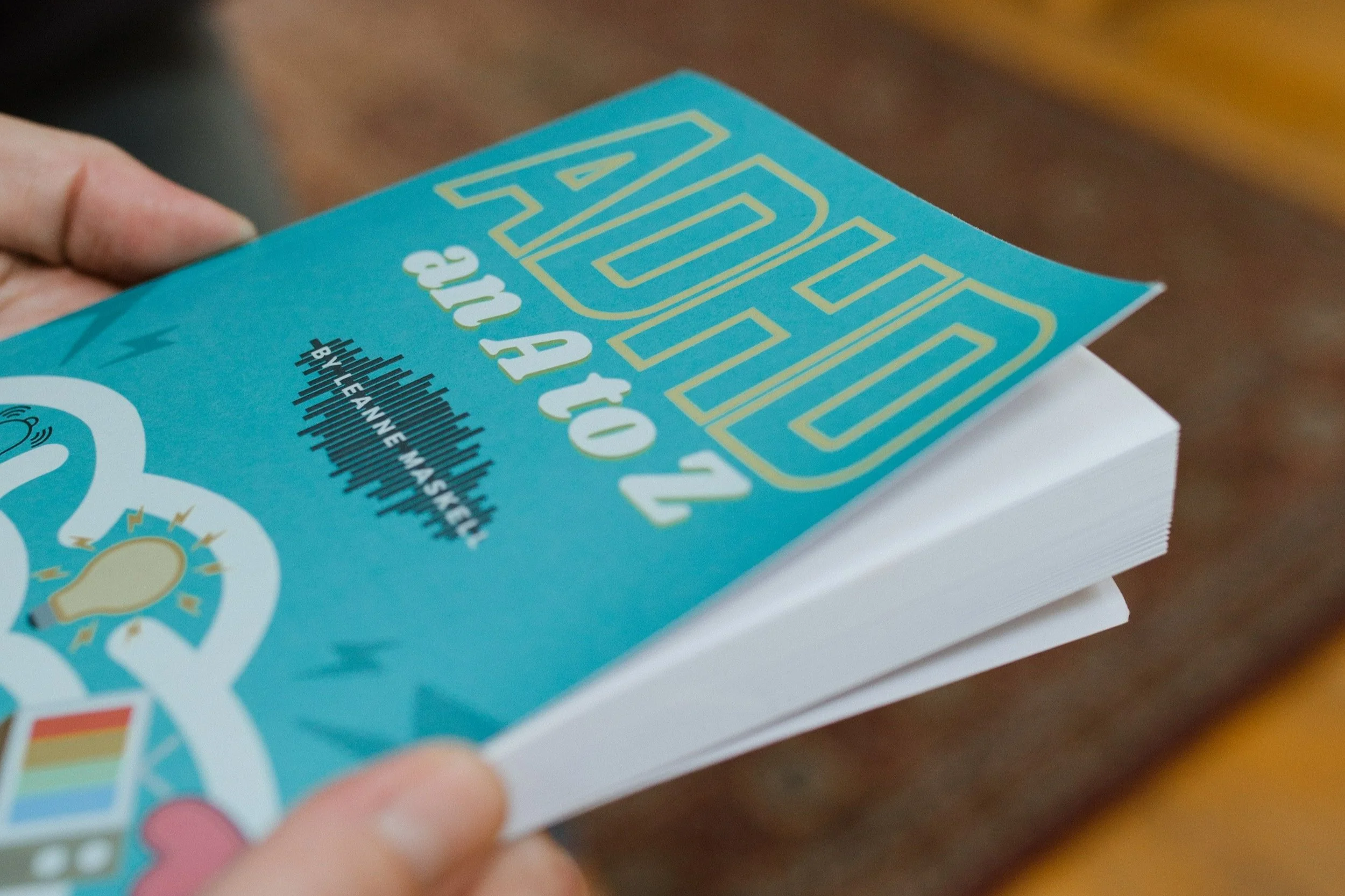
ADHD Coaching FAQs
What is ADHD coaching? Why is it useful? What can ADHD coaching help with? Is ADHD coaching the same as therapy? All your questions answered here.
1. What is ADHD coaching?
It’s a forward-focused, structured process, involving a collaborative partnership which empowers people with ADHD to transform their lives with unconditional acceptance, in gaining an awareness of their unique strengths, and overcoming challenges.
We have conversations that empower you to figure out what you want, what’s stopping you from achieving that, and how to break it down into actions to implement it. The real work is done by you in implementing the actions between sessions, which can become experiments: learning what works and what doesn’t in a judgement free zone.
It’s like building a house, where coaching is the scaffolding to support you in getting the frameworks in place. Once the strategies that work for you have clicked, you don’t need me anymore - the responsibility lies with you. My job is to work myself out of a job.
2. Is it the same as therapy?
No. Whereas therapy is about answering the ‘why’ questions (e.g why did X happen?), coaching is about the ‘who’, ‘what’, and ‘how’ questions. Therapy is important for processing emotions and feelings, whereas coaching is more forward focused – it’s focused on outcomes, and tangible change.
Therapy is also thought of as a more ongoing, potentially lifelong process, whereas coaching usually tends to be for a time-limited period, such as a few weeks or months.
3. How is ADHD coaching different from normal coaching?
ADHD coaching offers expertise knowledge of this unique neurodevelopmental condition and how this applies to a coaching context. A few examples include:
‘Pills don’t give skills’: coaching can help with implementing strategies of how to use the potential benefits gained from medication, diagnosis or ADHD-awareness. For example, if you’re suddenly able to focus with medication, this helps you choose what to focus on.
‘Doing what you know’: a coach with ADHD expertise understands how to activate an ADHD brain to its full potential – for example, extra preparation with accountability, implementing actions, and overall engagement.
‘Maybe it’s not my fault’: we can offer understanding, education and compassion. It’s very empowering for a person with ADHD to understand their unique neurodiversity, and to replace shame with self-compassion and responsibility. Knowing that certain experiences are a ‘normal’ part of ADHD helps a lot with understanding them and being able to identify ways of asking for help, such as reasonable adjustments.
‘Name it to tame it’: ADHD can often show up in different ways which may not be apparent to neurotypical coaches, such as with Rejection Sensitive Dysphoria. We can offer specific strategies and exercises to address the underlying causes of challenges and help people learn about themselves.
Reaching your limitless potential: ADHD coaching can be useful for everyone to understand how it works and how to get the best out of people who have it. This could also include people who don’t have ADHD themselves, such as a manager of an employee with ADHD.
4. What can ADHD coaching help with?
Everything! Some examples of things I’ve coached people on include:
· Organisation / executive functioning: establishing daily routines & healthy habits, time management, getting ‘boring’ chores done, prioritizing, dealing with distractions / procrastination, and deep cleaning the house (which was said to be harder than getting a Master’s degree!).
· Work (employees, self-employed & unemployed people): in general, how to work int he most effective & happy way. This has included: improving relationships with colleagues, talking about ADHD at work / identifying & asking for reasonable adjustments, overcoming specific challenges such as bullying, meeting deadlines, project management, dealing with demanding workloads, considering career options, identifying strengths, skills & talents, interview practice, delegation, and coping with stress. Access to Work can fund 100% of ADHD coaching for employees.
Studying (school & university students): managing studies, setting routines, structuring essays, identifying how they learn best & potential reasonable adjustments tailored to them, and considering future career options. One teenager said it was much more useful than the careers service at school!
Emotional regulation: improving self-esteem, self-confidence, body-image, overcoming Rejection Sensitive Dysphoria, emotional ‘flooding’ / mood swings, co-dependency, people pleasing, loneliness, and general engagement with people who do / do not have ADHD.
Physical health: relaxation, sleep, overcoming addictions such as alcohol and smoking, observing the effects of medication, implementing healthy habits such as regular exercise and cooking meals.
Everything else! Being an ADHD coach is never boring, because everyone comes with such incredibly unique and amazing stories – every day is different!
5. Should I get a coach?
Coaching can be extremely helpful for anyone, but ultimately, it has to come from YOU. You only get out of it as much as you put in, which is why it’s really important to find a coach that you click with.
If you have something you want in your life – a goal, a change, a challenge you’re facing – then coaching can be incredible, regardless of whether or not you have ADHD. I’ve coached people who don’t have ADHD, and it works just the same.
Everyone can benefit from a moment to pause, step back and figure out what they really want out of their life. I’ve never met anyone who doesn’t want to change and improve something – but often their habits are not matching their intentions. My job is to help them change that to fulfil their long-term goals and dreams.
Book a free introductory call with me here to learn more.

Is ADHD a disability?
Did you know ADHD can be a disability? On International Day of Disabilities, learn more about invisible disabilities.
As an ADHD Coach, I have a window into the lives of incredibly intelligent, passionate, and kind ADHD-ers – they can just often not usually be so kind to themselves! One of my favourite things about coaching is how speaking to someone who understands the unique wiring of your brain can shine a completely new light on the way we see ourselves and the world around us.
Despite around 80% of the UK’s disabled population having invisible disabilities, it’s still an area we don’t quite know how to handle as a society. Although we’re talking more openly about mental health, the shame involved in speaking up about a condition that impacts our ability to be ‘normal’, or to ask for help with this, can still often be incredibly scary and shameful. This can be because we’re relying on other people to believe us, after we’ve taken the difficult step of first believing ourselves.

Here are some of my favourite recent quotes from clients:
“When you say it’s not my fault, sometimes I let myself believe it, and it makes me feel so much better.”
“I was so shocked ADHD could be a disability, but when I think of how it took me 6 hours to do a task that took my friend 1 hour, I think that maybe it is, and maybe that’s not a bad thing.”
“When I was given the help I needed, I realised this wasn’t a ‘special’ adjustment or preferential treatment, as it did just literally level up the playing field between me and other people.”
“I thought I was lazy and stupid for 50 years, until I got the diagnosis.”
The Equality Act says a person is disabled if they have a physical or mental impairment that has a ‘substantial’ and ‘long-term’ negative effect on their ability to do normal daily activities. There are very high standards for being diagnosed with Attention Deficit Hyperactivity Disorder – usually at the level of having certain areas of your life seriously affected, over a long period of time.
So yes, ADHD can be a very serious, invisible disability. We can be disabled by our own brains, such as literally being unable to get out of bed, despite thinking a million hours an hour, suffering our own specialized version of internal torture. We can also be disabled by external barriers in our environments – such as by the stigma associated with ADHD in society, or having to fit into a ‘one-size-fits-all’ world that simply doesn’t make allowances for neurodivergence. or getting it wrong.
Before I was diagnosed, my life was seriously affected in all areas. I couldn’t keep an internship or job, didn’t even have a GP, had extremely bad relationships with my friends and family, binge drank alcohol 4-5 times per week in the aim of quietening down my brain, and was suicidal. When I was diagnosed, I said that ADHD wasn’t a ‘real’ problem. This ironically made me feel better at the time, as I was so scared of being sectioned to a mental health hospital in explaining how crazy I believed I was.
Things were so bad that I went on a 2-week holiday the next day and didn’t come back for a year, holding my hands up in admittance that ADHD was most definitely real, and destroying my life. Accepting this was a disability for me allowed me to stop beating myself up, to ask for the help I deserved, and to start taking responsibility for the things I wanted to change. I accepted that maybe I wasn’t always the problem in every single situation – maybe I deserved to live like everybody else.
From that moment on, I was unstoppable. I published a best-selling book on the modelling industry which was featured on the cover of the Times & Lorraine. I worked in mental health, disability and immigration law for over 2 years during the pandemic, influencing Government on Coronavirus & Brexit legislation - the furthest thing I could have imagined doing when I graduated with the belief I’d never be able to get a job!
I developed healthy relationships with the people in my life and found hobbies I enjoy. I published a book on ADHD, ‘ADHD: an A to Z’ which led to presenting for companies such as Microsoft. I became a Coach for the ADHD Advocate, finding true fulfilment, purpose and meaning in my work every single day – something I never thought I’d have. This week, I presented on invisible disabilities to Lewis Silkin, a law firm I’d previously dreamed of working at. Life has transformed into a continuing and limitless series of opportunities now that I’ve started working with my ADHD, instead of trying to be ‘normal’.
I still need to have phone backgrounds reminding me to ‘SAY NO’, sleep in my gym clothes occasionally to be able to go to yoga, and the bed sheets would probably never get changed if it weren’t for the cleaner. But in comparison to a few years ago, where I locked myself into an 8-month contract in a too-expensive flat that was directly opposite to my new job, as an attempt to force myself not to quit in the first week, I’m doing pretty well.
So, on this International Day of People with Disabilities, please remember to have some compassion for yourself, and to reflect on how well you’re doing, and how far you’ve come. If nothing else, you’re surviving through a global pandemic! If you know someone with a disability, whether it’s visible or invisible, please be brave enough to have open, honest, and curious conversations with them, exposing yourself the vulnerability of truly listening to what they say.
Here are some facts that shocked me:
Only 51.5% of disabled people are in work, compared with around 81.7% of non-disabled people.
There are more clothing lines in the world for dogs than there are for disabled people.
Disability affects 1 in 7 people worldwide.
ADHD can definitely be a disability, but accepting this also empowers us with limitless extraordinary abilities – book a free introductory call with me now to get started on yours.
Invisible Disabilities At Work: Calling All Employers
Imagine you’ve been struggling at work ever since you can remember, wondering if your colleagues also feel like they have to put 150% in to just get their basic job done. To ask for help seems terrifying, like you’d be admitting that you can’t do your job.
Now imagine you’re diagnosed with a mental health or neurodevelopmental condition – you have answers. It’s not your fault. You deserve to be supported at work to be able to do your job, just like your colleagues may have been able to over the years. What happens next?
Many people are faced with the challenge of figuring out who they should talk to in their organisation, and how they should do it. Your employer has a duty to make reasonable adjustments to support you at work as soon as they’re aware that you might have a disability. But then what? What happens if there’s no policy in place, or if there’s no one to talk to? How do you let them know you’ve been struggling for years, and ask for help when you’re not even sure what that might be?
In this case, it’s easy for everyone panic and nothing being put in place, resulting in an escalation of the situation. This week the Government was found to have breached its duty to make adjustments for a judge who has dyslexia and needed voice recognition software to do her job like her colleagues. Instead of making this very easy adjustment, they ended up in an employment tribunal 6 YEARS later.
Many employers simply do not know how to support employees with invisible disabilities in the workplace, especially for those who are a later stage in their career. A failure to make reasonable adjustments can be disability discrimination under the Equality Act 2010.
Let’s look at the judgment:
1) ‘As a tribunal we have had the opportunity to stand back from the detail of this case and look at it holistically. Unfortunately, nobody within the respondent’s organisation was able to do the same. Put simply, the respondent organisation did not know how to handle the claimant’s situation properly.’
Asking for help at work can be very challenging for anybody, let alone a person who has been suffering in silence due to an invisible disability, maybe for a very long time. For example, many adults are diagnosed with ADHD after burning out at work. It can feel embarrassing and vulnerable to admit this is because of something outside of our control.
I coach many people who tell me they can’t disclose their ADHD at work because they will be laughed at, or face problems with getting a promotion. I didn’t even realise an invisible disability could be ADHD, before I literally WORKED in mental health and disability law - how would most people find out?!
Due to stigma, these conversations can often happen when problem have already arisen, such as an employee being given a performance review, which causes even more sensitivity and panic. Given the anxiety, pressure and high stakes involved, it might feel impossible to take yourself out of the detail and focus on the broader picture, without worrying about being judged or complained about.
2) ‘There was no pre-existing policy to deal with a judicial office-holder facing the challenges that were faced by the claimant. We accept and appreciate that the individuals within HMCTS were doing their level best in the circumstances to provide the claimant with what she needed. But in the absence of an appropriate policy or procedure they came up against significant obstacles in doing this.’
No employer wants to be accused of discrimination, but they might also not know much about how to handle invisible disabilities, and how to give a person ‘reasonable’ adjustments without shipping them off to Occupational Health (who might give a vague response, not working in the job themselves).
They might be also worried about the reaction of other employees, and how to handle confidential situations - but all that is needed is a sensible conversation about what is actually needed, listening, understanding, co-operation and trust. As more and more people feel empowered to ask for support in the workplace because of disadvantages they face in comparison to their colleagues, employers should have a reasonable adjustments policy in place.
Disability discrimination claims are the fastest-growing type in the employment tribunal, and there is the potential to award unlimited damages - having policies in place is an obvious answer to avoiding liability and needless stress for everybody involved down the line.
3) ‘The absence of an overall policy meant that nobody took ownership of the problem. It also meant that lines of accountability were unclear. Who had responsibility for taking the various steps required? If those steps were no taken (or not taken timeously) who should the claimant approach to have this rectified? Indeed, who should her leadership judges have been able to approach to rectify the problem?
Less than 1% of eligible people use the Government’s Access to Work fund which can pay for adjustments, including ADHD coaching. However, an employer might be worried about their own obligations in the meantime, given that the waiting period for applications is currently months-long - despite the average adjustment costing just £75 per person. Many do not involve any cost at all to an employer.
In professions or situations where there is no clear Human Resources team to go to, things become very complicated - just look at No.10 and their Christmas parties during lockdown. Who was there for any of the 100 employees to complain to? If a manager doesn’t understand their obligations to an employee asking for help, who are they supposed to turn to? In prestigious and ‘traditional’ industries like law, where 3% of lawyers have disclosed a disability compared to 24% of the working population, how is anybody supposed to trust that they will actually be given help, if this just ‘hasn’t been done’ before?
4) ‘It is this overall lack of coordination and pre-planning which has led to such a lengthy and problematic chronology of events in the claimant’s case.’
The answer is clear: make a reasonable adjustments policy. Have an external person you can reach out to if you like (hello!) who can mediate the conversation in a sensible and pragmatic way. Make it known across your organisation that employees who disclose a disability will be supported. Approach these conversations in a human way - not a legal way.
Once you’ve taken the ‘minimum’ step of possibly referring someone to Occupational Health - KEEP THE CONVERSATION OPEN. Even if one adjustment is put into place, an employee needs to know that they can talk to you about this on an ongoing basis, because it might not necessarily work. Often we don’t know what we need until we’re actually in a situation.
Why do this?
Reasonable adjustments simply support a person to do their job - they’re not ‘special’ or ‘favourable’ treatment - just the changes they deserve to be put on a level playing field with their colleagues. It doesn’t matter if they’re a new recruit or a CEO - they deserve to have the same support, understanding, and compassion.
Obviously, it’s ideal for an employer to follow the law, and to avoid stressful, expensive and drawn-out arguments over discrimination, especially when the majority of these situations can easily be resolved with a simple conversation. However, making adjustments for people to do their jobs properly will also boost overall productivity, employee morale, loyalty, and trust.
Embracing people being their authentic and whole selves at work can never end badly: it helps to have a more truly diverse, representative, and inclusive organisation.
How I can help
Having trained law firms like Lewis Silkin on invisible disabilities, published ‘ADHD: an A to Z’, and worked as a mental health & disability legal policy adviser, I am more than happy to support you with:
raising awareness about invisible disabilities at work
making a reasonable adjustments policy for your workplace
supporting employees who disclose a disability & facilitating conversations to be pragmatic and co-operative.
Drop me a message to discuss this further - leannemaskell@hotmail.com.

Microsoft x ADHD: an A - Z
Leanne Maskell on the difference between an attention deficit and Attention Deficit Hyperactivity Disorder after presenting the ‘ADHD: an A to Z’ book at Microsoft in June 2021.
Microsoft recently invited me to speak to them about Attention Deficit Hyperactivity Disorder, as I published ADHD: an A to Z earlier this year.
I was pretty excited to present their own research back to them, having recently come across a study from Microsoft Canada in 2015 which found that the average human attention span was shorter than that of a goldfish. It had decreased by a quarter in 13 years.
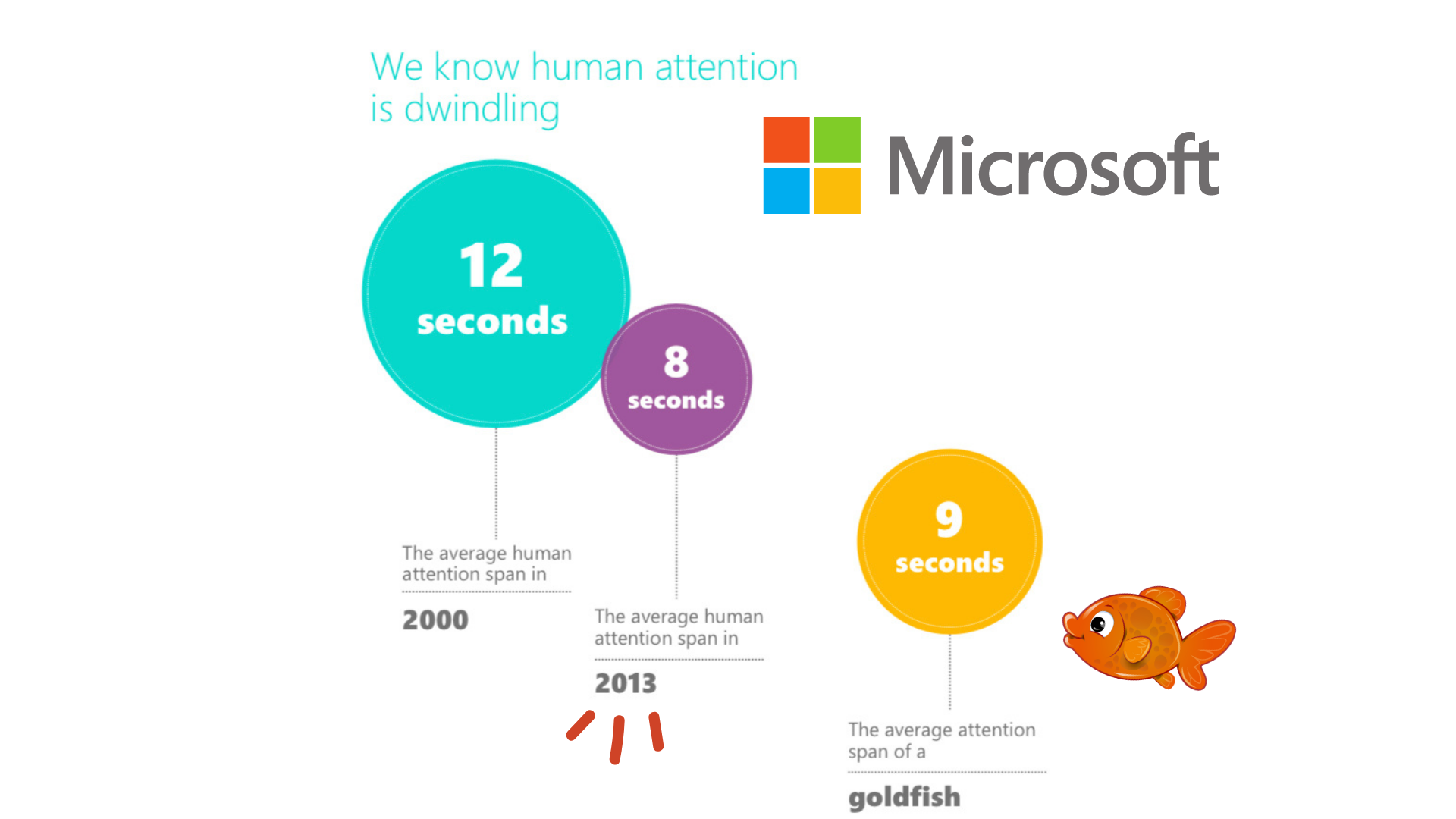
There’s a distinct lack of research on attention span since then, but Google recommends that websites should load within 1-2 seconds. When we talk about ‘attention’, it’s difficult to know what we mean - doing one task? Listening to someone when they’re speaking? Watching a tv show without looking at another screen?
How I see it, is how long we can choose to pay attention to something, to the exclusion of other thoughts. I recently tried to count to 10 and couldn’t do it without thinking of something else. I asked the audience at the presentation to do the same, who all had the same experiences. I would guess that the average attention span as of 2021 is probably 1-2 seconds (there’s been a distinct lack of research since 2015)!
So, if we all have an attention deficit, how do we classify someone as having ADHD?
As diagnosis rates of have skyrocketed over recent years, the conversation has become more confusing. Researchers have come up with a name for ADHD symptoms induced by technology - ‘Variable Attention Stimulus Trait’. When I was writing ADHD: an A to Z, I kept becoming distracted by whether I should open it up to everyone, second guessing whether ADHD was ‘real’, as the people around me constantly demonstrated signs - forever losing their keys or glasses, an inability to have a conversation without checking their phones, and double or triple-booking their free time with plans.
This continued until I read the NICE guidelines for professionals diagnosing ADHD which required the person to have '2 or more symptoms of hyperactivity/impulsivity and/or inattention which cause at least moderate psychological, social and/or educational or occupational impairment, and are pervasive, occurring in 2 or more important settings.’
In other words, to be medically diagnosed with ADHD, your life has to be pretty much falling apart in at least 2 or more areas. Given that the waiting times for assessment are up to 7 years in the UK on the NHS, and private options can cost well into the thousands, people who think they meet this criteria need some sort of support in the meantime. So the book stayed as it is, focused on ADHD rather than ‘attention’ more generally - though it could very easily be applied to many people who wouldn’t meet the diagnosis criteria.
Being diagnosed with ADHD won’t necessarily change much - learning about it will. My life became far worse for the first 6 months before I took control of my own treatment and insisted on being transferred to the NHS, but it’s a complex rollercoaster to be strapped into, especially when you throw in the opinions of others. Yes, everyone is on the attention deficit spectrum, but this doesn’t invalidate those who are diagnosed with the condition, just as much as it doesn’t invalidate those who aren’t. Ultimately, it’s just a label.

It overwhelms me to think about neurodiversity and the fact that we all have different brains in one way or another. The sheer amount of information on the internet means that it’s incredibly easy to self-diagnose and work yourself up into a place of believing you ‘have’ some kind of ‘condition’, ‘disorder’ or ‘illness’.
Typically, there’s no brain scans involved in diagnosing ADHD, as there would be if you had a tumour, for example. It is quite simply just one person’s opinion. Yes, they might be medically qualified and/or you may be paying them a lot of money. But at the end of the day, you are the person who knows you best. Having a 1-2 second attention span is probably pretty normal as of 2021, and it doesn’t mean you need to be diagnosed with ADHD.
If you find yourself unable to pay attention, start with the root of the problem. Remove the distractions (i.e technology). Sit. Breathe. Practice counting to 10. Repeat.
If you feel like you need help, get that help - and get off Google.

How to become less addicted to your phone
How to be less addicted to your phone: a guide.
The average person is thought to spend approximately 4 hours on their phone per day, as of 2021. I wouldn’t be surprised if the real number is closer to 8 or 9 hours per day. Our phones give us the perfect respite from boredom, feelings or reality. It’s the numbing vortex available 24/7, from when you wake up in the middle of the night unable to sleep, to popping to the bathroom in the middle of the day. We take breaks from the big screens by going on the little ones, which are almost constantly tethered to our bodies like a 5th limb.
Depending on your situation, you might want to approach this by the below standards / screen-time:
Level 1: spending slightly too much time on your phone. (0-4 hrs per day)
Level 2: moderately addicted to your phone. (4-8 hours per day)
Level 3: addicted to your phone. (8 hours+ per day)
A good test also is deciding not to use your phone for the day, and seeing how long you can go.
Hack your own attention with a plan
This means looking at how you use your phone and implementing a blockage plan, essentially your ‘weak spots’. Do you use your phone most when you’re in bed at night? Trying to find a song to play for the shower? Distracting yourself from work? Whatever it is, identify it and make an active plan to impose a barrier, for example, by not allowing yourself to take your phone into the bathroom. Humans are pretty simple, and if something is harder to do than easier (e.g having to walk upstairs to check social media), we will be less likely to do it out of boredom.
This might be easier to do if you track your screen-time and usage for a few days. It’s also important to have a plan in place for a replacement activity, such as fidget toys, writing in a diary, having wireless speakers or alarm clocks in place, and so on.
Sleep
Ideally, you want to have your phone out of the room you sleep in. Here’s a list of the potential solutions:
Use your phone as your alarm? Buy an alarm clock like this.
Use your phone before you go to sleep? Set a rule not to bring it into your bedroom at all - even a reminder notice on your door if necessary. You can set up podcasts / meditations etc. to play on a wireless speaker inside your room.
Use your phone when you wake up at night? Don’t. It is creating a habit in your brain that you will use your phone if you can’t sleep: instead, try to think of an animal for each letter of the alphabet. If you still can’t sleep, write.
Need to check your phone first thing in the morning? Make a conscious decision to do one other thing first. Even if it’s just drinking a glass of water. Then check it in a different room.
Distractibility
Have a phone-box: as in, a physical box that you can put your phone in, preferably as far away as possible from where you are sitting when you want to concentrate. Ideally, you’d put the phone in there for the majority of the day, but this is especially useful when you want to concentrate for a specific period. If you find that you keep going to get it, try a lockable version.
Set office hours for your phone: for example, using your phone from 9am-5pm each day. Put your phone in the phone-box at all other times, setting yourself a reminder to turn it off at these times. Ideally, you want to have the first and last hour of your day free of your phone.
Stop interruptions: Turn off the majority of your notifications (Settings - Notifications - switch off app by app). You may want to leave on specific ones to allow calls or messages from specific people to come through. Alternatively, you can keep your phone in ‘do not disturb’ mode for the majority of the time you use it.
Tidy up your homepage: put all of your apps into a little folder. Within this folder, make 3 more: ‘tools’, ‘social’ and ‘utilities’. When you want to use them, scroll to the left and type in the name of the app you want.
Give yourself conscious freedom: an app called ‘Freedom’ can block access to specific apps and websites across your phone and laptop, for specific times. It’s so good it was banned from the app store until a legal challenge saw it reinstated.
Use a watch: or other single-use tool depending on your needs, such as a calculator.
Screen-time
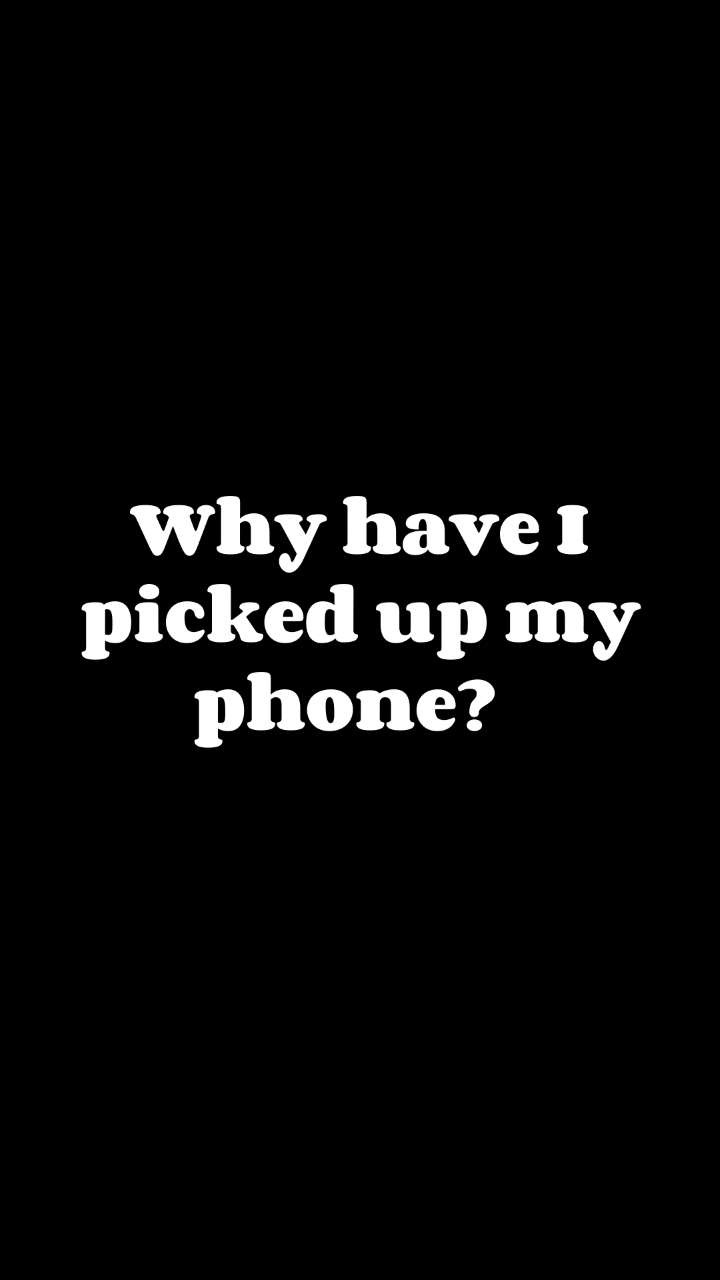
Set your background as a black image: basically, as boring or to the point as possible. You can also use the image above if you like (remember the days of buying phone wallpapers?!)
Track your screen-time alongside other people: an app called ‘Moment’ tracks which apps are using most of your time, how long you’re spending on your phone, and lets you set up groups with other people you know as a very effective measure of accountability. You can also set up a screen time ‘widget’ to stay on your homepage and let you know how much time you’ve spent on it so far that day.
Delete ‘junk food apps’: the ones that use most of your time. By using your internet browser on your laptop, this means that you’re much more conscious about how you’re spending your time on these apps and can’t be lured in by mobile-only features such as notifications.
Block websites on your phone: yes, you can also use the in-built screen-time, but if you’re anything like me, you’ll just pop in the lock-code and continue using your app. By blocking websites under the ‘content & privacy restrictions - web content - limit adult websites’ settings on safari, you can actively stop yourself from automatically going onto the ones that provide effective distractions or ‘guilty pleasures’.
Make your phone black and white: this can be found under (settings - general - accessibility - display accommodations - colour filter). It’s quite amazing to see the differences in the digital textures of buttons when they’re in this mode!
You can also read ADHD: an A to Z (yes, even if you don’t have ADHD), which is an explanation of how to control your attention in all areas of your life to live how YOU want to live.

why I wrote a book about ADHD
Leanne Maskell on being diagnosed with ADHD age 25, navigating the 7 year waiting lists, and publishing her second book, ‘ADHD: an A to Z’.
Last month, I published a book about Attention Deficit Hyperactivity Disorder. I wrote about 95% of it in about 3 weeks last year, after finally changing my GP surgery (a mere 6 months after moving house). My new doctor told me that if I wanted to change my medication dosage, then I’d need to go on the NHS waiting list to go to the ‘ADHD Centre’ again.
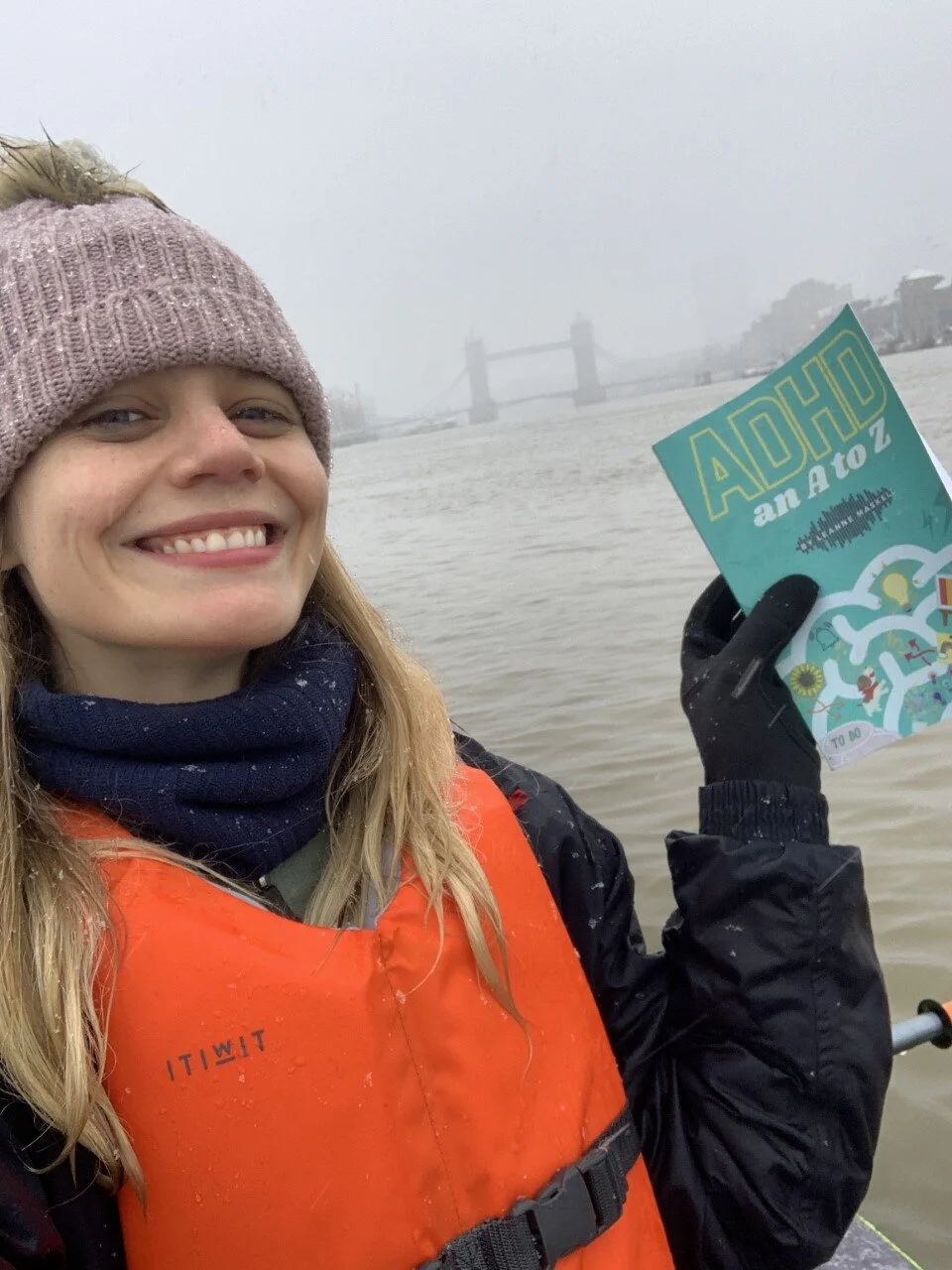
I felt the nervous pit of anxiety in my stomach as I tried to mentally predict what would happen if/when I became used to my current level of medication and needed to move up to the highest dose, and what would happen after then.. but pulled myself back into the present to ask how long that would be.
‘7 years’.
I laughed almost as much as when a psychiatrist first told me that the ‘quirks’ of my personality that had developed over the years since I had graduated from university were actually ADHD, not any of the other medical conditions that I had begrudgingly self-diagnosed myself with. I didn’t think ADHD was ‘real’, and definitely not serious.
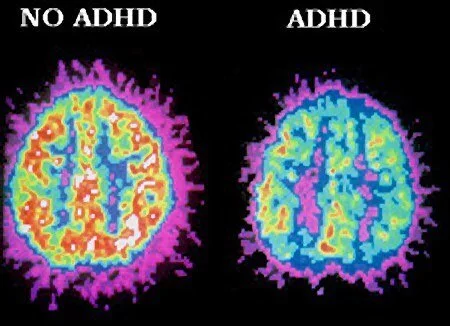
spolier alert: ADHD is a real, very serious, neurodevelopmental condition
After confirming that the doctor had said, yes, there were medical waiting lists for people to see doctors that were up to SEVEN YEARS LONG, I asked how people survive in the meantime. She didn’t have an answer. I thought of the particularly bad year I had experienced until I finally admitted there was some sort of problem I didn’t have control over happening inside of me. I would wake up every day devastated to still be alive and to have to spend another day being me - feeling like my brain was permanently on fire became an odd sort of (very depressing) normality.
That went away when I was diagnosed, though the diagnosis process itself was some sort of real-life horror-movie specifically curated for the ADHD mind. Navigating your way through the shame of admitting you have a problem and then trying to extract information about what this process is ‘supposed’ to be like on the internet is hell. I was too afraid to ask any doctor for help for years, because I was convinced that the natural next step would be being sectioned in a mental health hospital.
So is trying to navigate private psychiatrists, costing £400 per session, and asking people who have ‘known you throughout your life’ to answer questions about you. It’s an incredibly shame inducing experience to have to admit that you are incapable of living normally to the people around you, many of whom don’t want to admit that you have ever suffered, in case it reflects badly on themselves. It’s horrible trying to tell whether ADHD is ‘real’ or not, trying to understand whether it’s just being ‘distracted’ or whether you should indeed take the medication that is being prescribed to you by a medical professional, despite it costing so much money and the people around you telling you that it’s ‘speed’.

how my brain feels (really quite painful and difficult to pull apart)
This is all hard enough, but even more difficult when you’re just trying to wade through the shame of existing, feeling like everyday is turning up to an exam that you’ve studied really hard for, but the exam questions are all on a different topic - to then motivate yourself to get help. My brain feels like carrying around a school class of children, but the teacher’s left the room, and just trying to get them all to shut up for JUST ONE SECOND takes every ounce of willpower I have. So there isn’t a whole left over to navigate doctors and therapists, medication and illnesses. There’s just the Googling ‘AM I GOING CRAZY’ 20 times per day, and confirming to yourself that yes, you probably are. Then being distracted by something else.
So, having been able to get help and finally have the teacher come back into the room (where like magic, the children all fall into submission), I thought ‘someone should do something about that’. So I wrote a book. The words poured out of me, such as how to get diagnosed without waiting for 7 years / falling out with everybody you know / becoming convinced that maybe the psychiatrist is trying to financially exploit you, and then transfer over to the NHS so you don’t have to pay £300 A MONTH FOR THE REST OF YOUR LIFE TO BE ABLE TO EXIST LIKE A ‘NORMAL’ HUMAN BEING WHO DOES NOT HAVE 5 SIRENS BLARING IN THEIR MIND AT ANY ONE TIME.
In true ADHD style, I became ‘hyper-focused’. It was all I could pay attention to or talk about for a few weeks, finishing up to chapter W, then I went on holiday. I did not pick up the book again for 10 months, except to send it to people who messaged me about ADHD occasionally who all told me that I needed to publish it. This is what ADHD is. It’s not always a ‘deficit’ but more of an inability to control what your mind does: it’s the kids ruling the school, deciding what subjects they’re going to do that day. They might be brilliant at it, but then they’ll ditch it just before getting the certificate for another one, leaving a long list of unfinished projects and ashes of dented self-esteem in their midst.

Me on holiday, completely forgetting about the book I had spent the last 3 weeks of my life obsessing over to the exclusion of everything else for the foreseeable future.
It means that you can pay lots of attention to the things you’re interested in, but NONE AT ALL to the things that you’re not - even to the point of literally falling asleep when you’re checking out (I used to do this all the time in class). It sounds like common sense, but imagine if your brain just stopped playing ball when you tried to make it do the things you don’t ‘want’ to do. It feels like someone else has control of your decisions, which is pretty scary when you’re strapped in the chair and forced to watch, eyes sellotaped open.
Luckily, the spark came back when I started seeing an ADHD coach. Actually, when I found out that there is Government funding to help people with disabilities (including ADHD) get / stay in work, including job coaches. I literally couldn’t believe I had spent so many years obsessing over how to do this, and there had been support there all along: people needed to know about this.
That little spark of passion (and my brilliant coach) managed to help me get the manuscript over the finish line and into a real life book. That’s the amazing thing about ADHD - a little goes a long way, and we are REALLY QUITE ENTHUSIASTIC when we are inspired - we can get things done that would take other people years. Our ‘dysregulated’ emotions mean that we can quite easily forget about the life-destroying shame we’d been feeling just the night before, and pick ourselves up to try again. Persistence is the key to success, just like those who are actually ‘crazy’ enough to think and act differently without stopping to think about it. We’re a creative, compassionate and extremely courageous bunch, us ADHD-ers.
Refusing to accept ourselves, whether we have ADHD or not, means that we ultimately are procrastinating by beating ourselves up for being who we are. This mass wastage of energy could be diverted into yourself, if you started working with what you’ve been given, rather than against it.
If I had stopped trying to force myself to try and live a life that I ultimately didn’t want to live, then I would have been able to enjoy my early 20s, instead of wishing them away. I won’t ever get that time back, and we won’t ever get this moment back: do you want to spend it hating yourself, or enjoying the ride?