
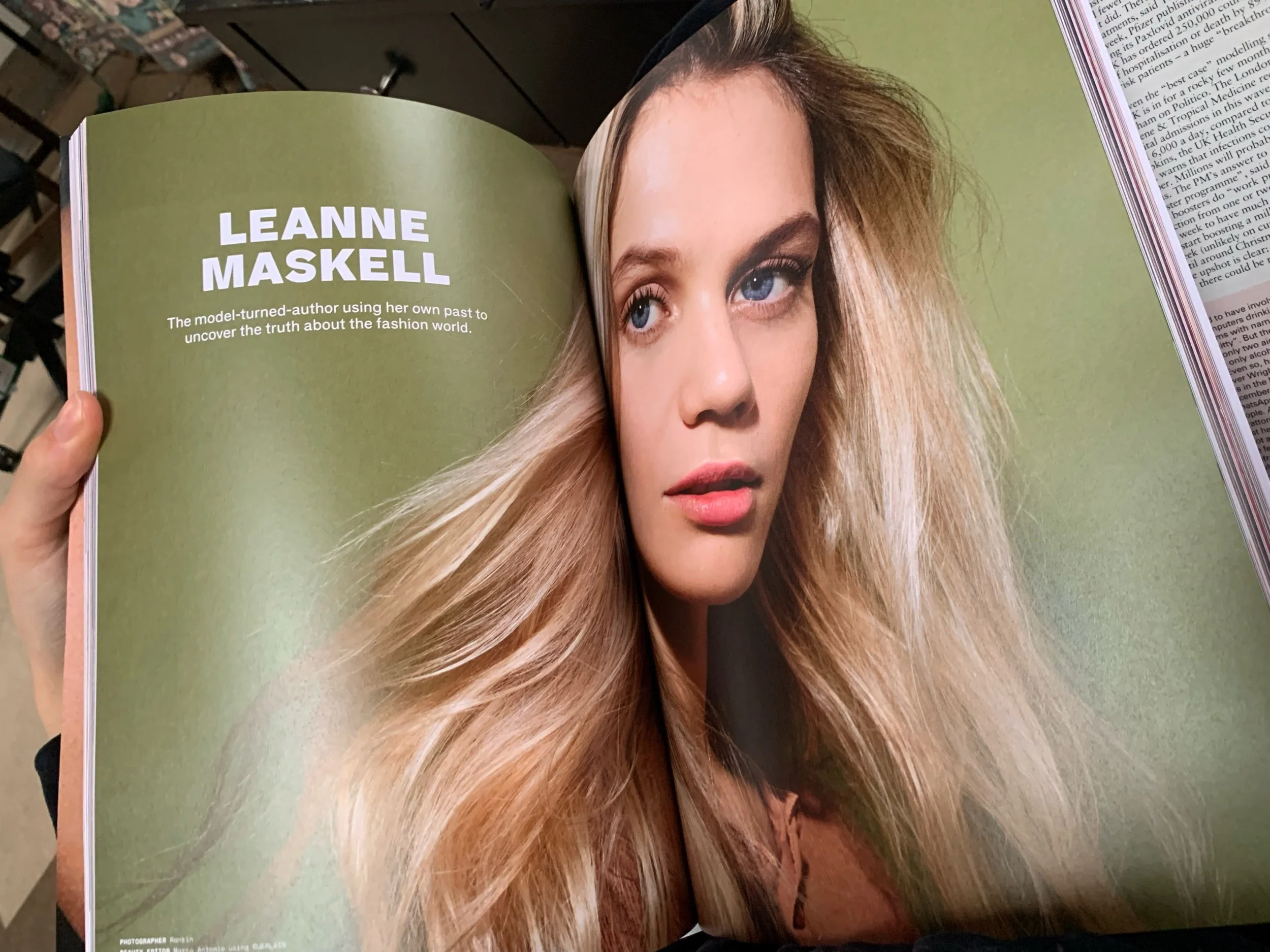
Why I quit Instagram and started modelling again
So far in 2022, I’ve had Instagram deactivated & joined Body London model agency. Since then, I’ve:
had my busiest and happiest ever month modelling, working for brands like Next, Redken, & Ridley London
been featured by Sky News, Stylist Magazine & interviewed by BBC Radio
reached full capacity in ADHD coaching clients
worked with the Government on finalising change across the creative industries, to end exploitation, which I’ll be speaking about as a panellist on February 2nd in the Creative Coalition Festival.
Why I quit Instagram
I’m currently finishing writing my third book, which is essentially an empowerment guide for social media. After proposing this book to a few publishers, they told me I’d have to have over 10,000 followers on Instagram to be taken on - proving the exact point that I’m writing about! I could have easily bought these followers, but I don’t want to.
Even though I’ve already published 2 successful books with nowhere near this many followers, I’m sick of still feeling like I ‘need’ to have an Instagram account to do various things. I’m sick of transactional friendships requiring me to comment on posts to stay popular. I’m sick of comparing myself to other people’s highlight reels, even though I know from modelling since age 13 how fake what I’m seeing is. I’m sick of waking up and reaching for my phone to check my notifications.
I first deleted my entire account 5 years ago, after chasing the most instagrammable life I could around the world and becoming more and more depressed. I know there’s nothing at the end of the influencer-rainbow, because I’ve been there to check it out for myself - the majority have empty, fake lives, that they’ve lost the ability to enjoy.
Since then, I’ve gone back and forth on quitting & restarting new Instagram accounts, which is an extremely liberating skill to have, in not having to swear myself off it forever, but when I want to.
Right now is one of those times, until I finish writing this book!

Why I started modelling again
Last year, I quit my job in law and re-entered the world of self-employment. Though it’s now difficult to answer the question ‘what do you do’ (ADHD Coaching, training companies like Microsoft on neurodiversity, writing books, modelling, campaigning, and so on), I’ve never been happier.
When I published the Model Manifesto, I couldn’t find an agency that would work for me, rather than the other way around. I wanted basic rights, like the ability to work without being pressured to lose weight, or having debt racked up in my name without me knowing about it. When I was offered jobs that met what I needed, like ones for Tommy Hilfiger & Jigsaw, I did them happily. I never really quit being a model, just how I was being treated, but joining Body London has shown me that it’s possible to work in line with the Model Manifesto on a consistent and sustainable level.
Since then, I’ve consulted with everyone from Conde Naste to DCMS & No.10 on these issues, worked with model agencies on safeguarding, and submitted evidence to a Parliamentary inquiry on body image. Last year, I joined the Government’s new working group to tackle bullying, harassment & discrimination across the entire of the creative industries, and change is now happening that I never thought I’d see.
On February 2nd, I’m speaking about this in the Creative Coalition Festival 2022, on a panel at 4pm discussing Eradicating Bullying & Harassment with Rebecca Ferguson and Zelda Perkins, who have also experienced the abuse that can happen in an industry where there’s no legal safeguarding for ‘talent’.
To join it for free, click the picture below.

Microsoft x ADHD: an A - Z
Leanne Maskell on the difference between an attention deficit and Attention Deficit Hyperactivity Disorder after presenting the ‘ADHD: an A to Z’ book at Microsoft in June 2021.
Microsoft recently invited me to speak to them about Attention Deficit Hyperactivity Disorder, as I published ADHD: an A to Z earlier this year.
I was pretty excited to present their own research back to them, having recently come across a study from Microsoft Canada in 2015 which found that the average human attention span was shorter than that of a goldfish. It had decreased by a quarter in 13 years.
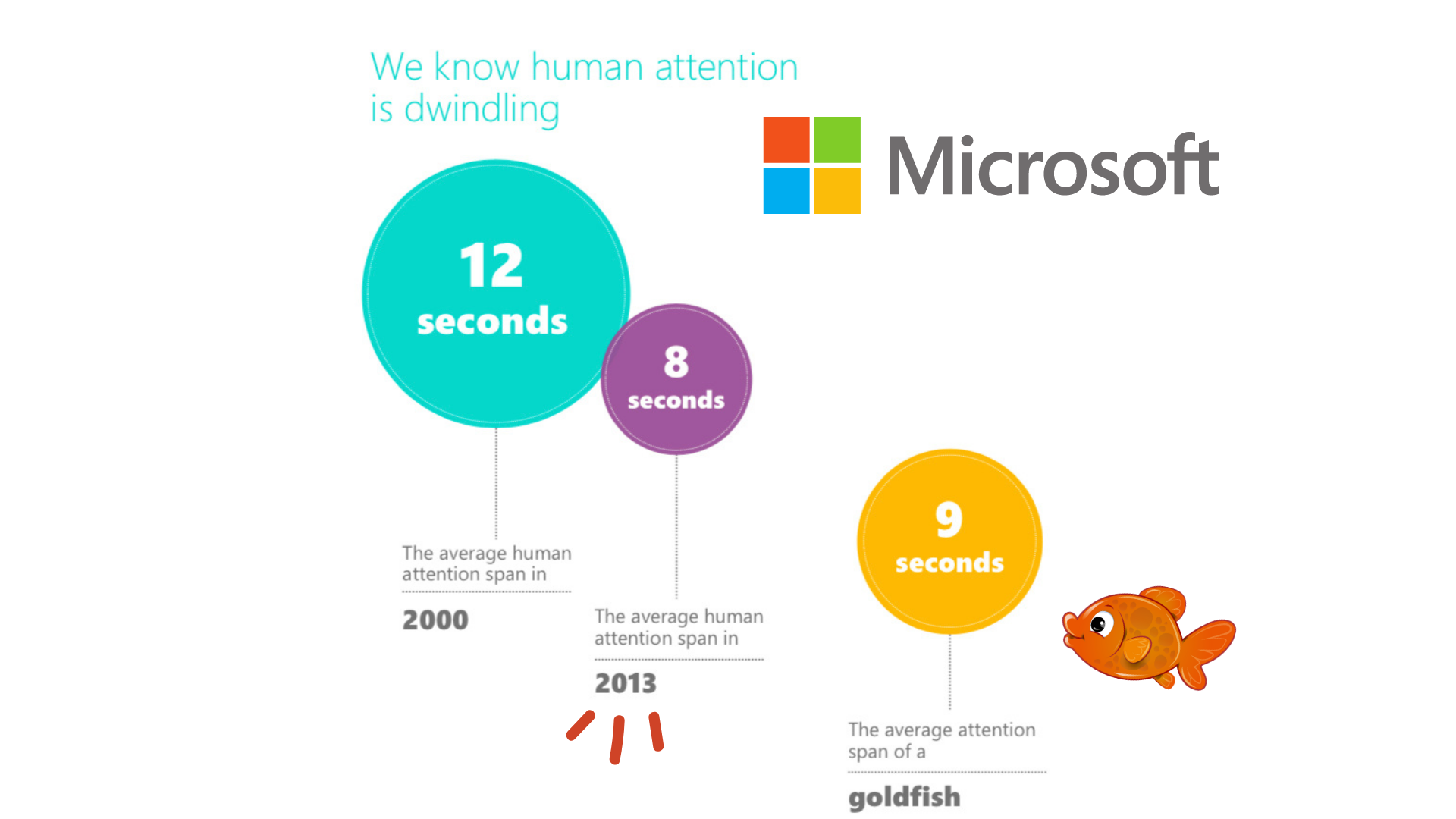
There’s a distinct lack of research on attention span since then, but Google recommends that websites should load within 1-2 seconds. When we talk about ‘attention’, it’s difficult to know what we mean - doing one task? Listening to someone when they’re speaking? Watching a tv show without looking at another screen?
How I see it, is how long we can choose to pay attention to something, to the exclusion of other thoughts. I recently tried to count to 10 and couldn’t do it without thinking of something else. I asked the audience at the presentation to do the same, who all had the same experiences. I would guess that the average attention span as of 2021 is probably 1-2 seconds (there’s been a distinct lack of research since 2015)!
So, if we all have an attention deficit, how do we classify someone as having ADHD?
As diagnosis rates of have skyrocketed over recent years, the conversation has become more confusing. Researchers have come up with a name for ADHD symptoms induced by technology - ‘Variable Attention Stimulus Trait’. When I was writing ADHD: an A to Z, I kept becoming distracted by whether I should open it up to everyone, second guessing whether ADHD was ‘real’, as the people around me constantly demonstrated signs - forever losing their keys or glasses, an inability to have a conversation without checking their phones, and double or triple-booking their free time with plans.
This continued until I read the NICE guidelines for professionals diagnosing ADHD which required the person to have '2 or more symptoms of hyperactivity/impulsivity and/or inattention which cause at least moderate psychological, social and/or educational or occupational impairment, and are pervasive, occurring in 2 or more important settings.’
In other words, to be medically diagnosed with ADHD, your life has to be pretty much falling apart in at least 2 or more areas. Given that the waiting times for assessment are up to 7 years in the UK on the NHS, and private options can cost well into the thousands, people who think they meet this criteria need some sort of support in the meantime. So the book stayed as it is, focused on ADHD rather than ‘attention’ more generally - though it could very easily be applied to many people who wouldn’t meet the diagnosis criteria.
Being diagnosed with ADHD won’t necessarily change much - learning about it will. My life became far worse for the first 6 months before I took control of my own treatment and insisted on being transferred to the NHS, but it’s a complex rollercoaster to be strapped into, especially when you throw in the opinions of others. Yes, everyone is on the attention deficit spectrum, but this doesn’t invalidate those who are diagnosed with the condition, just as much as it doesn’t invalidate those who aren’t. Ultimately, it’s just a label.

It overwhelms me to think about neurodiversity and the fact that we all have different brains in one way or another. The sheer amount of information on the internet means that it’s incredibly easy to self-diagnose and work yourself up into a place of believing you ‘have’ some kind of ‘condition’, ‘disorder’ or ‘illness’.
Typically, there’s no brain scans involved in diagnosing ADHD, as there would be if you had a tumour, for example. It is quite simply just one person’s opinion. Yes, they might be medically qualified and/or you may be paying them a lot of money. But at the end of the day, you are the person who knows you best. Having a 1-2 second attention span is probably pretty normal as of 2021, and it doesn’t mean you need to be diagnosed with ADHD.
If you find yourself unable to pay attention, start with the root of the problem. Remove the distractions (i.e technology). Sit. Breathe. Practice counting to 10. Repeat.
If you feel like you need help, get that help - and get off Google.