

ADHD Coaching - A Testimonial
Many people come to ADHD coaching looking for help with the basics, such as cleaning, cooking, and exercise. It can be an incredibly vulnerable thing to reach out for help with the things society tells us ‘should’ be easy, but this beautiful client testimonial shows how life-changing it can be.
I imagine most people with ADHD finally seek a coach when things finally become unmanageable and you are at a low ebb. That's where I was anyway when I decided to embark on a coaching journey with Leanne.
I have lots of letters after my name. Three university qualifications in English Literature, all from well respected universities; all completed in sporadic, terrifying, almost heart stopping last minute 6 week blocks of 24/7 hyper-focus, caffeine, pot noodles, and a laundry littered floor. I subsequently taught for many years in a high achieving, high pressure grammar school; where my pupils achieved the entrance grades they needed for very prestigious universities. However, my career amounts to a miserable blur of last minute lesson preparations and too many unmarked home works. Each year, I would end up arranging annual guilt driven fabulous Easter holiday revision classes, where I repaid the debt I knew I owed my students at the price of my own health.
Looking back at university and my career, somehow I got letters after my name which earned me a decent living, and so do many of those I taught. When I gave up teaching, I gave a speech, got a present, a bouquet of flowers and a smiling relaxed photograph on the school website, which was definitely a keeper. I left with immense relief for what I was certain would be a lovely life of calm and order that would finally enable me to do the things I could never do all my adult life because nothing else was ever done.
However, after everything else, I just couldn't manage to pull off what seemed to be the basics. ADHD are my real letters and for all the superpowers they may possess - they also make life so very difficult. By the time I met Leanne my entire domestic existence had descended in disorganised chaos, which was having an increasingly unfair impact on my family. I didn't do enough for my family and did nothing meaningful for me, because nothing else was ever done. But through a journey of support sessions with Leanne, text messages, emails, worksheets, reminders, prodding, before and after photographs, trips to charity shops and a few good laughs, I made it. Room by room, I finally achieved what actually turned out to be hardest, most ADHD tortuously boring, but ultimately most significant achievement of my life. I had a tidy, organised house. I had a home.
Will it stay that way? Well, lets be realistic - I have ADHD. But through Leanne, I am no longer paralysed by the time that vanished and left behind endless mounting undone chores. She helped to get me the entrance grades I needed to set me on my way back to what should have been essence of those university degrees and of my career. There is enough done now for me to finally be able to return to the too many unread letters that are stored behind the letters after my name. I'll read books, I might even write a story.
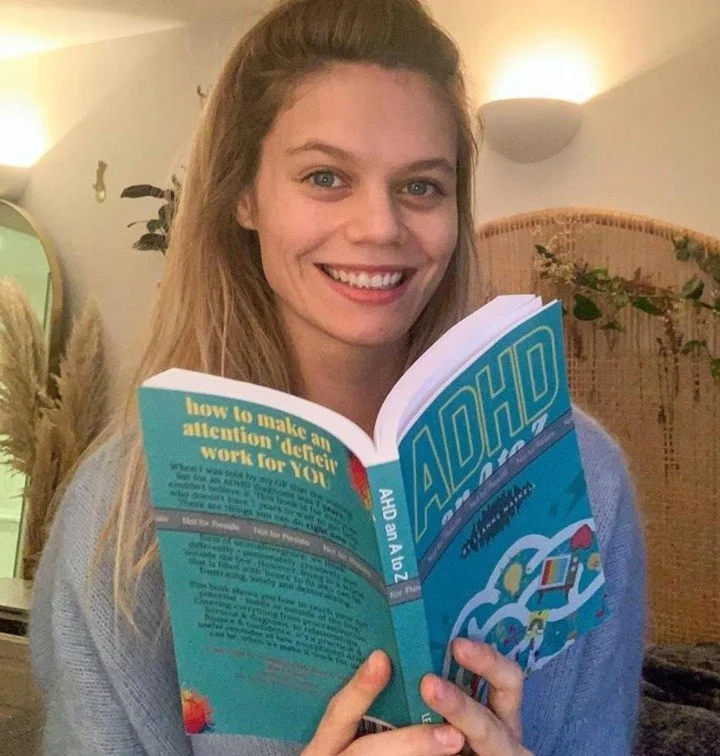
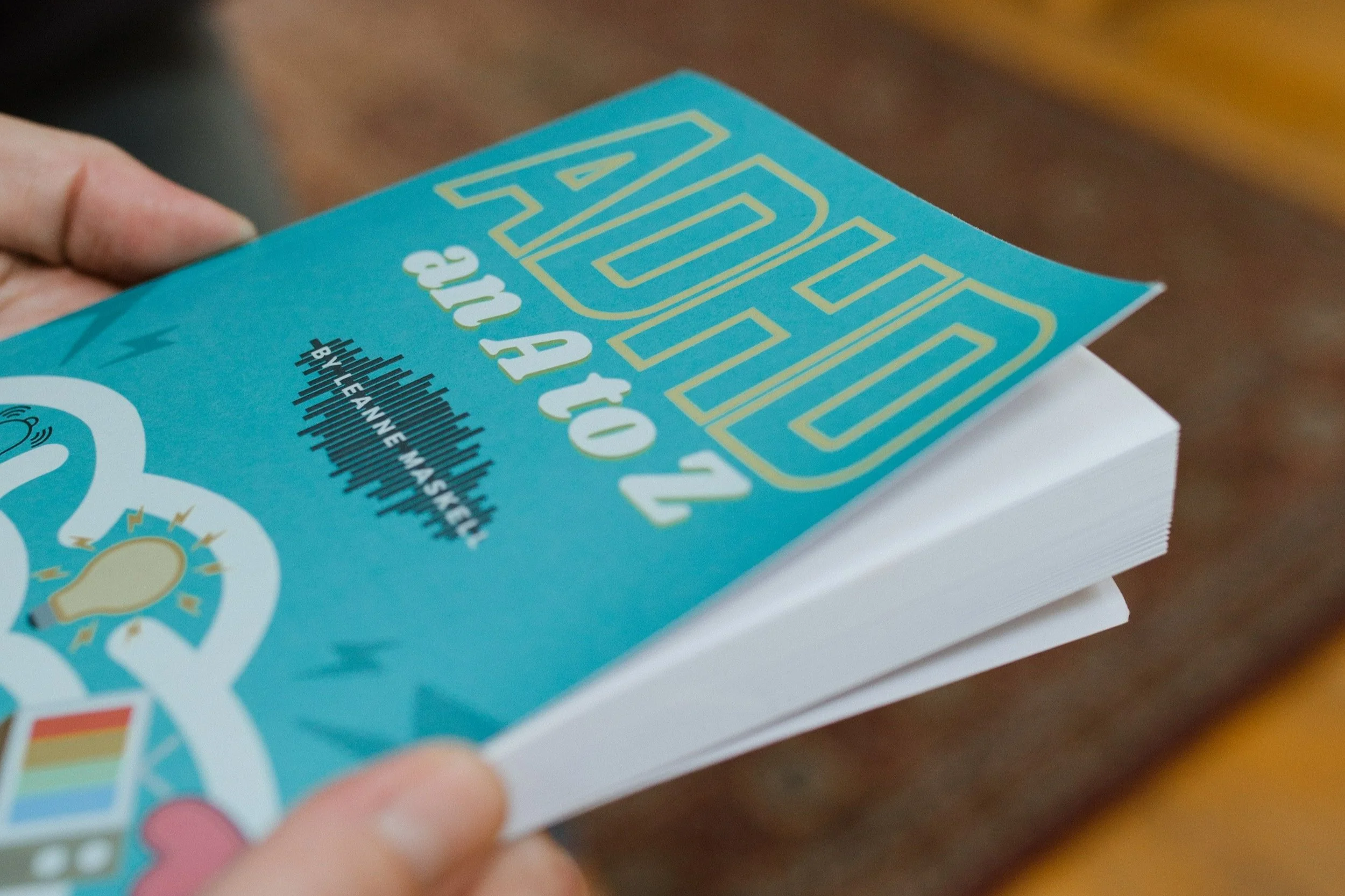
This is what ADHD Coaching with the ADHD Advocate did for me personally - it helped me to write my own story as ‘ADHD: an A to Z’. It’s incredibly rewarding to now be doing the same for other people with the same organisation!
ADHD Coaching is empowering someone to learn how to survive, not doing it for them. It’s designed to break through the barriers that are keeping you stuck, to live your life how you want to be living it, working with your brain rather than against it.
Click here to have a zero-obligation, free chat with me about coaching.
ADHD Coaching FAQs
What is ADHD coaching? Why is it useful? What can ADHD coaching help with? Is ADHD coaching the same as therapy? All your questions answered here.
1. What is ADHD coaching?
It’s a forward-focused, structured process, involving a collaborative partnership which empowers people with ADHD to transform their lives with unconditional acceptance, in gaining an awareness of their unique strengths, and overcoming challenges.
We have conversations that empower you to figure out what you want, what’s stopping you from achieving that, and how to break it down into actions to implement it. The real work is done by you in implementing the actions between sessions, which can become experiments: learning what works and what doesn’t in a judgement free zone.
It’s like building a house, where coaching is the scaffolding to support you in getting the frameworks in place. Once the strategies that work for you have clicked, you don’t need me anymore - the responsibility lies with you. My job is to work myself out of a job.
2. Is it the same as therapy?
No. Whereas therapy is about answering the ‘why’ questions (e.g why did X happen?), coaching is about the ‘who’, ‘what’, and ‘how’ questions. Therapy is important for processing emotions and feelings, whereas coaching is more forward focused – it’s focused on outcomes, and tangible change.
Therapy is also thought of as a more ongoing, potentially lifelong process, whereas coaching usually tends to be for a time-limited period, such as a few weeks or months.
3. How is ADHD coaching different from normal coaching?
ADHD coaching offers expertise knowledge of this unique neurodevelopmental condition and how this applies to a coaching context. A few examples include:
‘Pills don’t give skills’: coaching can help with implementing strategies of how to use the potential benefits gained from medication, diagnosis or ADHD-awareness. For example, if you’re suddenly able to focus with medication, this helps you choose what to focus on.
‘Doing what you know’: a coach with ADHD expertise understands how to activate an ADHD brain to its full potential – for example, extra preparation with accountability, implementing actions, and overall engagement.
‘Maybe it’s not my fault’: we can offer understanding, education and compassion. It’s very empowering for a person with ADHD to understand their unique neurodiversity, and to replace shame with self-compassion and responsibility. Knowing that certain experiences are a ‘normal’ part of ADHD helps a lot with understanding them and being able to identify ways of asking for help, such as reasonable adjustments.
‘Name it to tame it’: ADHD can often show up in different ways which may not be apparent to neurotypical coaches, such as with Rejection Sensitive Dysphoria. We can offer specific strategies and exercises to address the underlying causes of challenges and help people learn about themselves.
Reaching your limitless potential: ADHD coaching can be useful for everyone to understand how it works and how to get the best out of people who have it. This could also include people who don’t have ADHD themselves, such as a manager of an employee with ADHD.
4. What can ADHD coaching help with?
Everything! Some examples of things I’ve coached people on include:
· Organisation / executive functioning: establishing daily routines & healthy habits, time management, getting ‘boring’ chores done, prioritizing, dealing with distractions / procrastination, and deep cleaning the house (which was said to be harder than getting a Master’s degree!).
· Work (employees, self-employed & unemployed people): in general, how to work int he most effective & happy way. This has included: improving relationships with colleagues, talking about ADHD at work / identifying & asking for reasonable adjustments, overcoming specific challenges such as bullying, meeting deadlines, project management, dealing with demanding workloads, considering career options, identifying strengths, skills & talents, interview practice, delegation, and coping with stress. Access to Work can fund 100% of ADHD coaching for employees.
Studying (school & university students): managing studies, setting routines, structuring essays, identifying how they learn best & potential reasonable adjustments tailored to them, and considering future career options. One teenager said it was much more useful than the careers service at school!
Emotional regulation: improving self-esteem, self-confidence, body-image, overcoming Rejection Sensitive Dysphoria, emotional ‘flooding’ / mood swings, co-dependency, people pleasing, loneliness, and general engagement with people who do / do not have ADHD.
Physical health: relaxation, sleep, overcoming addictions such as alcohol and smoking, observing the effects of medication, implementing healthy habits such as regular exercise and cooking meals.
Everything else! Being an ADHD coach is never boring, because everyone comes with such incredibly unique and amazing stories – every day is different!
5. Should I get a coach?
Coaching can be extremely helpful for anyone, but ultimately, it has to come from YOU. You only get out of it as much as you put in, which is why it’s really important to find a coach that you click with.
If you have something you want in your life – a goal, a change, a challenge you’re facing – then coaching can be incredible, regardless of whether or not you have ADHD. I’ve coached people who don’t have ADHD, and it works just the same.
Everyone can benefit from a moment to pause, step back and figure out what they really want out of their life. I’ve never met anyone who doesn’t want to change and improve something – but often their habits are not matching their intentions. My job is to help them change that to fulfil their long-term goals and dreams.
Book a free introductory call with me here to learn more.