

why I wrote a book about ADHD
Leanne Maskell on being diagnosed with ADHD age 25, navigating the 7 year waiting lists, and publishing her second book, ‘ADHD: an A to Z’.
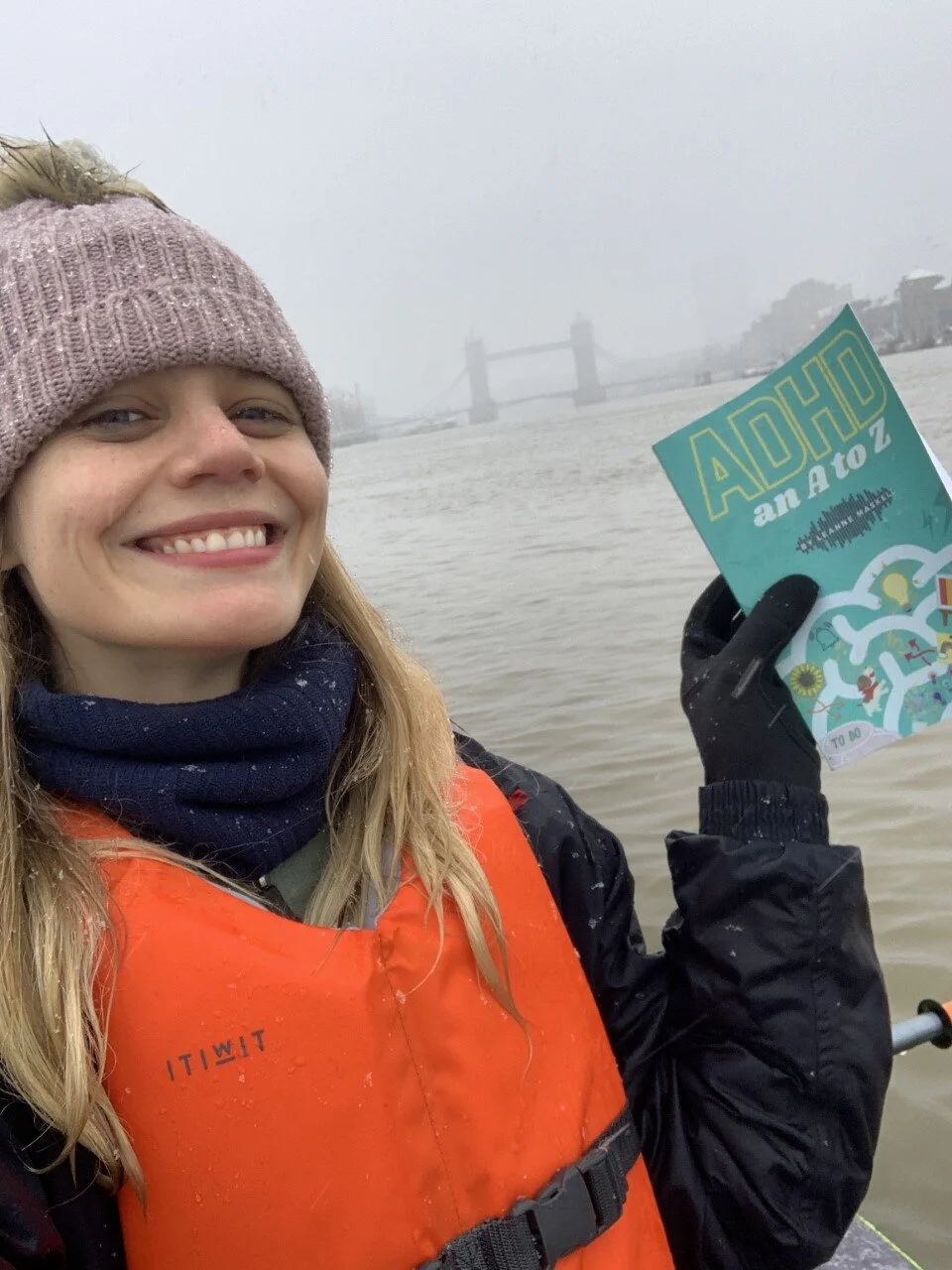
Last month, I published a book about Attention Deficit Hyperactivity Disorder. I wrote about 95% of it in about 3 weeks last year, after finally changing my GP surgery (a mere 6 months after moving house). My new doctor told me that if I wanted to change my medication dosage, then I’d need to go on the NHS waiting list to go to the ‘ADHD Centre’ again.
I felt the nervous pit of anxiety in my stomach as I tried to mentally predict what would happen if/when I became used to my current level of medication and needed to move up to the highest dose, and what would happen after then.. but pulled myself back into the present to ask how long that would be.
‘7 years’.
I laughed almost as much as when a psychiatrist first told me that the ‘quirks’ of my personality that had developed over the years since I had graduated from university were actually ADHD, not any of the other medical conditions that I had begrudgingly self-diagnosed myself with. I didn’t think ADHD was ‘real’, and definitely not serious.
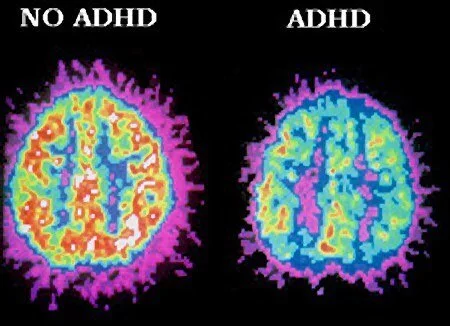
spolier alert: ADHD is a real, very serious, neurodevelopmental condition
After confirming that the doctor had said, yes, there were medical waiting lists for people to see doctors that were up to SEVEN YEARS LONG, I asked how people survive in the meantime. She didn’t have an answer. I thought of the particularly bad year I had experienced until I finally admitted there was some sort of problem I didn’t have control over happening inside of me. I would wake up every day devastated to still be alive and to have to spend another day being me - feeling like my brain was permanently on fire became an odd sort of (very depressing) normality.
That went away when I was diagnosed, though the diagnosis process itself was some sort of real-life horror-movie specifically curated for the ADHD mind. Navigating your way through the shame of admitting you have a problem and then trying to extract information about what this process is ‘supposed’ to be like on the internet is hell. I was too afraid to ask any doctor for help for years, because I was convinced that the natural next step would be being sectioned in a mental health hospital.
So is trying to navigate private psychiatrists, costing £400 per session, and asking people who have ‘known you throughout your life’ to answer questions about you. It’s an incredibly shame inducing experience to have to admit that you are incapable of living normally to the people around you, many of whom don’t want to admit that you have ever suffered, in case it reflects badly on themselves. It’s horrible trying to tell whether ADHD is ‘real’ or not, trying to understand whether it’s just being ‘distracted’ or whether you should indeed take the medication that is being prescribed to you by a medical professional, despite it costing so much money and the people around you telling you that it’s ‘speed’.

how my brain feels (really quite painful and difficult to pull apart)
This is all hard enough, but even more difficult when you’re just trying to wade through the shame of existing, feeling like everyday is turning up to an exam that you’ve studied really hard for, but the exam questions are all on a different topic - to then motivate yourself to get help. My brain feels like carrying around a school class of children, but the teacher’s left the room, and just trying to get them all to shut up for JUST ONE SECOND takes every ounce of willpower I have. So there isn’t a whole left over to navigate doctors and therapists, medication and illnesses. There’s just the Googling ‘AM I GOING CRAZY’ 20 times per day, and confirming to yourself that yes, you probably are. Then being distracted by something else.
So, having been able to get help and finally have the teacher come back into the room (where like magic, the children all fall into submission), I thought ‘someone should do something about that’. So I wrote a book. The words poured out of me, such as how to get diagnosed without waiting for 7 years / falling out with everybody you know / becoming convinced that maybe the psychiatrist is trying to financially exploit you, and then transfer over to the NHS so you don’t have to pay £300 A MONTH FOR THE REST OF YOUR LIFE TO BE ABLE TO EXIST LIKE A ‘NORMAL’ HUMAN BEING WHO DOES NOT HAVE 5 SIRENS BLARING IN THEIR MIND AT ANY ONE TIME.
In true ADHD style, I became ‘hyper-focused’. It was all I could pay attention to or talk about for a few weeks, finishing up to chapter W, then I went on holiday. I did not pick up the book again for 10 months, except to send it to people who messaged me about ADHD occasionally who all told me that I needed to publish it. This is what ADHD is. It’s not always a ‘deficit’ but more of an inability to control what your mind does: it’s the kids ruling the school, deciding what subjects they’re going to do that day. They might be brilliant at it, but then they’ll ditch it just before getting the certificate for another one, leaving a long list of unfinished projects and ashes of dented self-esteem in their midst.

Me on holiday, completely forgetting about the book I had spent the last 3 weeks of my life obsessing over to the exclusion of everything else for the foreseeable future.
It means that you can pay lots of attention to the things you’re interested in, but NONE AT ALL to the things that you’re not - even to the point of literally falling asleep when you’re checking out (I used to do this all the time in class). It sounds like common sense, but imagine if your brain just stopped playing ball when you tried to make it do the things you don’t ‘want’ to do. It feels like someone else has control of your decisions, which is pretty scary when you’re strapped in the chair and forced to watch, eyes sellotaped open.
Luckily, the spark came back when I started seeing an ADHD coach. Actually, when I found out that there is Government funding to help people with disabilities (including ADHD) get / stay in work, including job coaches. I literally couldn’t believe I had spent so many years obsessing over how to do this, and there had been support there all along: people needed to know about this.
That little spark of passion (and my brilliant coach) managed to help me get the manuscript over the finish line and into a real life book. That’s the amazing thing about ADHD - a little goes a long way, and we are REALLY QUITE ENTHUSIASTIC when we are inspired - we can get things done that would take other people years. Our ‘dysregulated’ emotions mean that we can quite easily forget about the life-destroying shame we’d been feeling just the night before, and pick ourselves up to try again. Persistence is the key to success, just like those who are actually ‘crazy’ enough to think and act differently without stopping to think about it. We’re a creative, compassionate and extremely courageous bunch, us ADHD-ers.
Refusing to accept ourselves, whether we have ADHD or not, means that we ultimately are procrastinating by beating ourselves up for being who we are. This mass wastage of energy could be diverted into yourself, if you started working with what you’ve been given, rather than against it.
If I had stopped trying to force myself to try and live a life that I ultimately didn’t want to live, then I would have been able to enjoy my early 20s, instead of wishing them away. I won’t ever get that time back, and we won’t ever get this moment back: do you want to spend it hating yourself, or enjoying the ride?